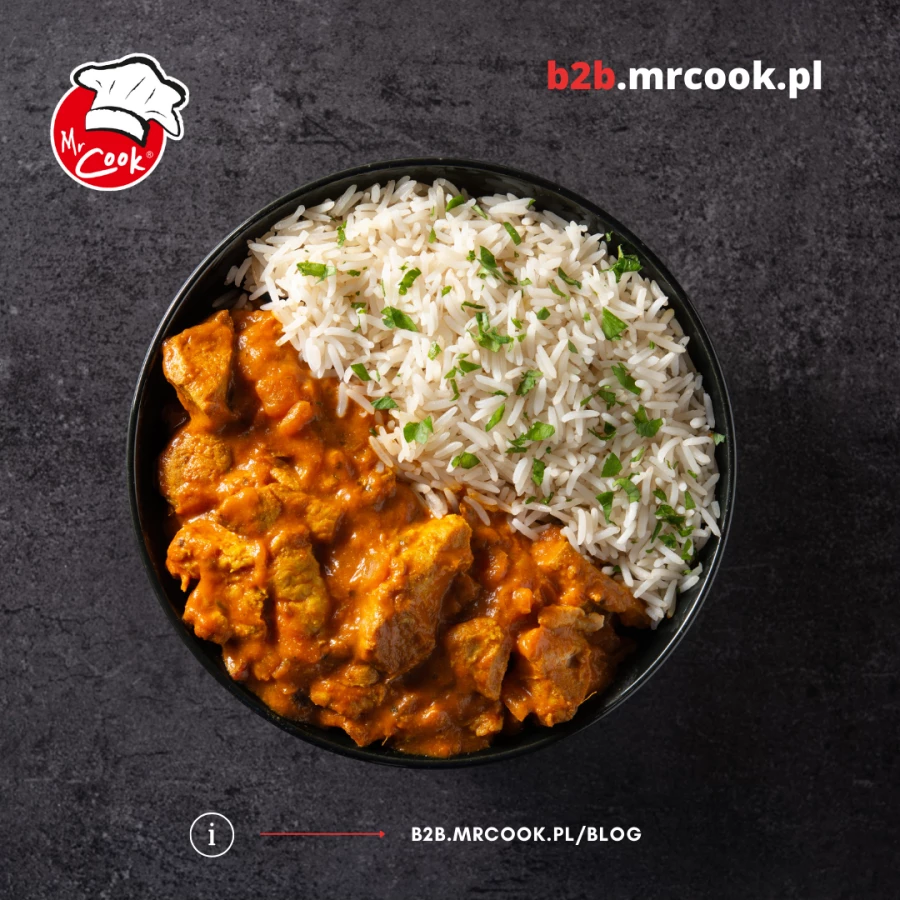
Basic spices for curry:
-
Turmeric: Known for its intense yellow colour and slightly bitter taste. Not only is turmeric a key colour-giving spice, it also has numerous health benefits, including anti-inflammatory properties.
-
Cumin (Roman cumin): Provides an earthy, nutty flavour that is integral to most curry flats. It is one of the foundations of flavour in Indian curries.
-
Coriander: Coriander seeds are often roasted and ground into a powder. They add a slightly citrusy, floral touch to curries, balancing the stronger flavours of other spices.
-
Cardamom: Adds a sweet, intensely aromatic flavour. Green cardamom is more commonly used in light curries, while black cardamom has a stronger, smoky flavour ideal for heavier, meaty dishes.
-
Black pepper: provides spiciness. Often used in freshly ground form to maximise its spicy flavour.
-
Cinnamon: Often used in whole stick form, cinnamon adds a sweetness and warmth that blends perfectly with the other spices in the curry.
-
Cloves: Very aromatic, cloves are used sparingly to add depth and intensity to curry blends.
-
Chilli peppers: They add heat and spiciness. They can be used fresh, dried or powdered, depending on the desired degree of spiciness of the dish.
-
Curry leaves: Although not technically a spice, curry leaves are extremely important in many South Indian curries, adding a unique, herbal flavour.
Uses of curry spices:
These spices can be used singly, but their magic comes in the right proportions. This is why they are often blended and sold as ready-made curry blends that can be customised to suit individual tastes. Even before grinding and blending, these spices can be roasted in a dry pan before grinding to release their essential oils and maximise flavour.
Curry is a great example of how a variety of spices can transform basic ingredients into a deeply flavourful and satisfying dish. Experimenting with different combinations of these spices allows you to explore new flavours and create dishes that can be adapted to suit every taste and occasion.