A brief history of vanilla
The first records of the use of vanilla date back to the Mayans, an ancient people living in what is now Mexico and Central America. They used vanilla to flavour their cacao drink. This tradition was later taken over by the Aztecs, who also added vanilla to their drink 'xocolatl'. Although both of these civilisations used vanilla, it is likely that the fermentation process that enhances the deep flavour of vanilla was unknown to them. It can be suspected that they had their own ways of extracting flavour and aroma from vanilla pods. However, vanilla as a spice as we know it today was born in later eras.
The arrival of the Spaniards in the Americas in the 16th century resulted in the introduction of vanilla to Europe. It was initially used as an additive to cocoa, but soon gained popularity as an independent ingredient in European cuisine. This was due in part to French master chefs, who in the 17th and 18th centuries began to use vanilla more widely in baked goods, desserts and other dishes.
The real revolution in vanilla cultivation came in the 19th century, when a young slave from the island of Reunion (formerly known as Bourbon) named Edmond Albius invented a method of hand-pollinating vanilla flowers. His discovery made it possible to cultivate vanilla outside its original habitat in Central America, opening the door to global production. Thanks to him, vanilla from the Indian Ocean islands, known as 'Bourbon', became a phenomenon on the world market.
Read also: Vanilla from Uganda vs. Bourbon from Madagascar
Why choose natural vanilla stick over synthetic flavourings?
Natural vanilla has a unique flavour and aroma that is difficult to find in synthetic counterparts. Although synthetic flavourings may be cheaper and are easier to produce, they do not fully convey the subtlety and depth of flavour characteristic of natural vanilla. In addition, real vanilla contains a number of compounds that are beneficial to our health. By choosing natural, you are choosing quality - go for natural vanilla rather than synthetic vanillin.
What to look out for when buying vanilla sticks?
-
The origin of the vanilla:
It is important to be aware that we are dealing with the two dominant vanilla species on the market: Vanilla planifolia and Vanilla tahitensis. The former has a dominant chocolate-fruit aroma. Vanilla tahitensis, on the other hand, is floral in aroma. You can read more about the differences in aroma in the following section on frequently asked questions about vanilla canes.
-
Vanilla stick appearance:
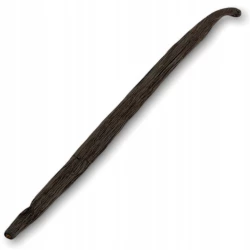
The vanilla stick should be soft and pliable, which confirms its freshness. A dry, hard or broken cane indicates poor quality or improper storage. Here it is worth pointing out that the small thickening on the canes is usually a trace of farmers marking the still green canes to prevent theft. This is a common problem in vanilla plantations, and cane marking is particularly common in Madagascar.
-
Vanilla stick aroma:
A fresh vanilla stick should give off a strong, pleasant aroma. If the aroma is weak or absent, the cane has probably also lost most of its flavour.
-
Smoky notes:
If the vanilla stick has smoky notes in its aroma, this may indicate that the drying process has been accelerated by heating it over a campfire. Such practices are very rare, but it is nevertheless worth being aware of them. They have a negative impact on the quality of the vanilla, among other things by bringing in this aroma which is alien to vanilla. In addition, such an accelerated drying process means that the vanilla can spoil more quickly.
-
Extracted vanilla:
Above we indicated that the sticks should be flexible, but for the production of vanilla extracts, especially alcohol-based, low-moisture sticks that are not flexible are used. Since in this application it is not important to extract the grains from the inside of the stick, it is even desirable for the sticks to be more strongly dried. For most home and catering applications, no less, fresh sticks are a better and safer choice. When buying extraction vanilla, it is worth knowing its vanillin content, then you can be sure you have bought a full-flavour extraction product.
Read also: Is cinnamon a safe spice?
Structure of the vanilla pod
The vanilla stick, also known as the vanilla pod, is an extremely valuable part of the vanilla plant (the most common are Vanilla planifolia and Vanilla tahitensis). Although it appears to many to be a simple plant element, its structure is quite complex, with each part playing a key role in conveying a unique flavour and aroma.
Outer part: the pod of the vanilla stick
The outer shell of the vanilla pod is dark, smooth and shiny when fresh. It acts as a protection for the precious vanilla beans inside. This shell is rich in essential oils that contribute to the characteristic vanilla aroma.
Interior: vanilla bean (vanillacaviar)
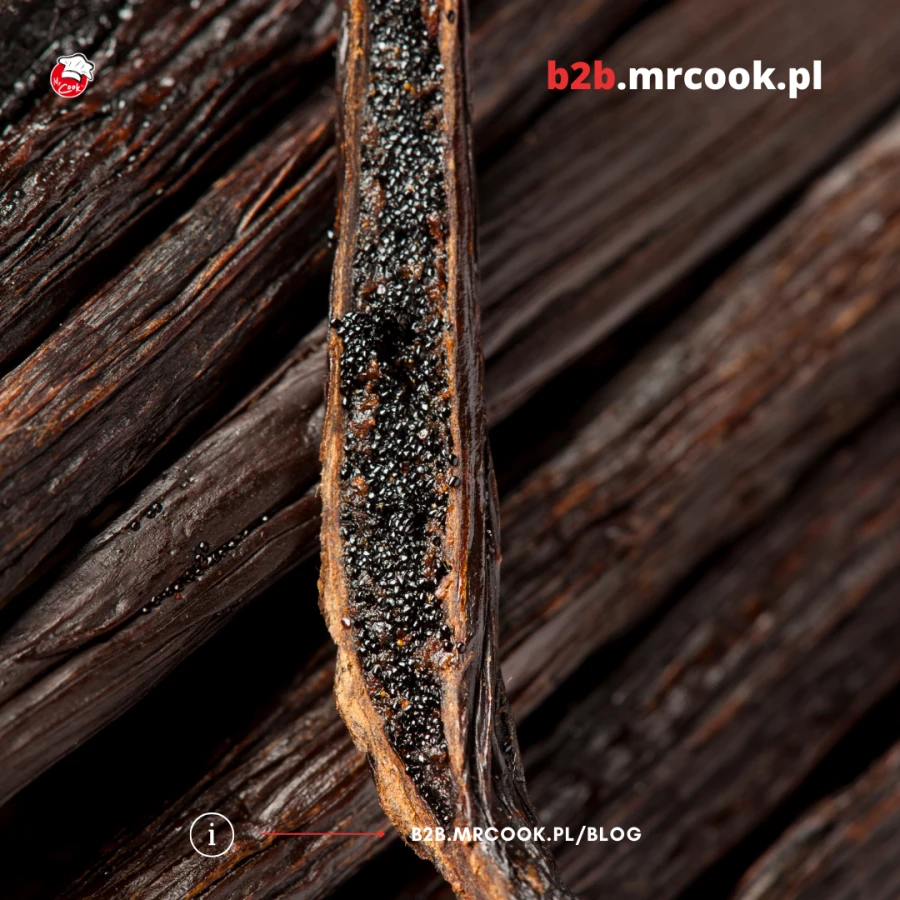
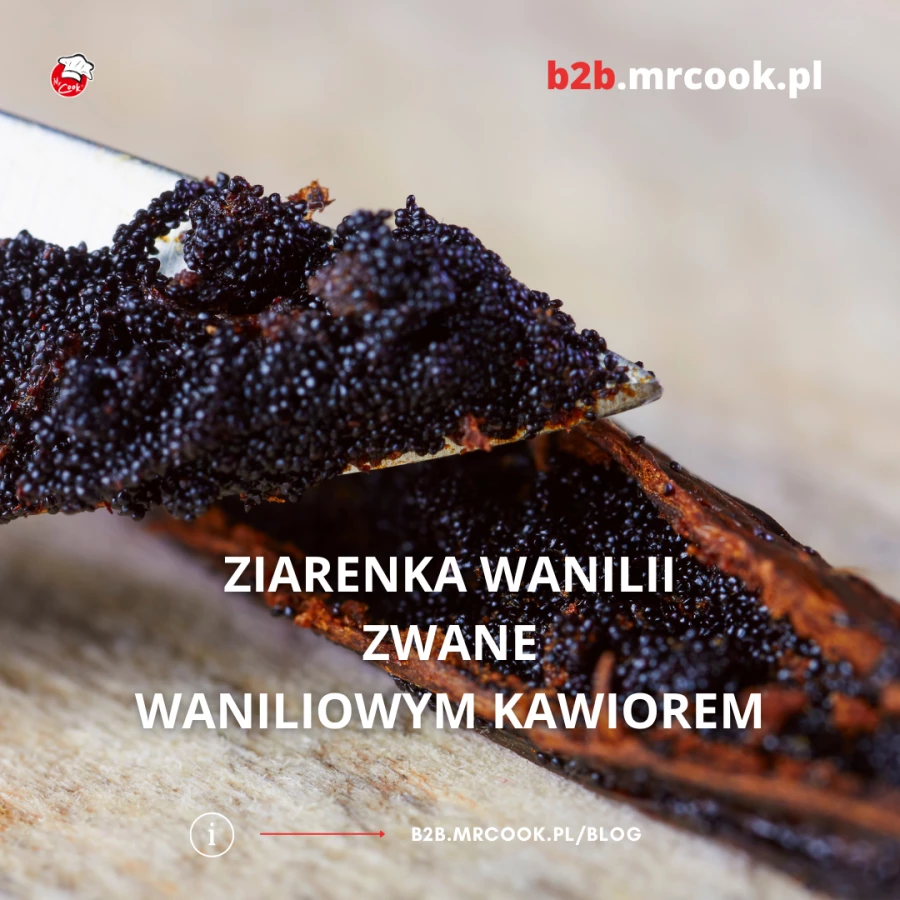
When you cut a vanilla stick in half, you will discover its true treasure: dark, sticky seeds, often referred to as 'vanilla caviar'. These grains are full of aroma and are the main source of vanilla's distinctive flavour. They are rich in vanillin compounds, which give vanilla its sweet, creamy flavour.
Although both parts of the vanilla bean stick are used in cooking, they differ in how they are used. The outer shell is often used to infuse liquids such as milk or cream, while the inner seeds are added directly to desserts, creams and other dishes to add an intense vanilla flavour. You can also use the outer part to flavour sugar and drinks, once the vanilla beans have been extracted.
Understanding the structure of the vanilla stick is key to using it appropriately in the kitchen. This allows you to use it to its full potential and get the best flavour in the dishes you cook.
Read also: Gingerbread spice ingredients - a guide
How to use a vanilla stick?
Using a vanilla stick is simple in itself. However, it is useful to know how to extract the full aroma and flavour from it. It may be a little more work, but it is certainly worth it. Learn about simple and professional methods.
-
The basic method of using vanilla sticks:
First, the vanilla stick needs to be opened. To do this, you need to slit it lengthwise without cutting it completely through.
You can then use a knife to scrape out the seeds, which contain the most flavour and aroma.
-
Flavour infusion - a professional approach to extract the maximum flavour and aroma:
We always suggest heating the carrier you will use for infusion. However, this is an optional step, as without heating you will also get the desired effect, but it will be weaker. In our opinion, it is worth spending a little more time to achieve a better result, not only because vanilla is one of the most expensive spices, but especially for the effects that vanilla infusion gives.
Milk: For a fuller vanilla flavour, it is a good idea to heat the milk with a vanilla stick. In this case, you can add the sliced stick or separately the seeds and the remaining part of the stick. The recommended ratio is one vanilla stick per 500 ml of milk. Heat over a low heat, without bringing to the boil, and let stand for 15 to 30 minutes to extract the full flavour and aroma from the vanilla stick. If you need cold milk in a recipe, simply let it cool before using. Depending on the recipe, you may need to pour the vanilla milk through a strainer to remove any remaining vanilla bean, the tiny seeds will remain adding to the aesthetic appeal. You can do the same with the cream.
Honey: Gently heating honey can also enhance the infusion of vanilla. To do this, heat the honey to 40°C (104°F) and add a vanilla stick cut in half. If you want visible seeds in the honey first open the stick and add it together with the pod. The recommended ratio is one vanilla stick per 250 ml of honey. Remember not to heat the honey above 45°C (113°F) to preserve its health-promoting properties. After heating, allow to infuse for at least 1-2 hours, although a longer time (e.g. several days) will give a deeper flavour.
Oils: To speed up the process of infusing vanilla in oil, heat it to around 40-50°C (104-122°F). This process will release the flavour and aroma of the vanilla. The recommended ratio is one vanilla stick cut in half per 250 ml of oil. Once at the right temperature, allow the oil to soak up the vanilla aroma for a few hours or even days for best results.
Alcohol: Vanilla is often used to flavour alcohol such as vodka or rum. The recommended ratio is one vanilla stick - cut in half - per 500 ml of alcohol. Heating the alcohol to around 60°C (140°F) can speed up the infusion process, but remember not to exceed this temperature so that too much alcohol does not evaporate. After heating, the infusion of alcohol with vanilla should last at least one week, the optimum time being four weeks. However, a period of up to several months can often be found, in which case the flavour and aroma will become stronger.
-
Using vanilla sticks in baked goods, creams and desserts:
Once the seeds have been scraped off, the leftover vanilla stick is still valuable and can be used to make vanilla sugar, used in drinks or even ground into powder after drying.
-
Using the vanilla stick in ice cream:
Vanilla seeds added to ice cream mix will give it a rich flavour and distinctive black dots. We recommend using milk after infusing with vanilla sticks.
-
Use of vanilla stick in drinks:
The remaining outer part of the vanilla stick, once the seeds have been pulled out, can be used as an addition to drinks such as cocktails, teas or coffee. If you dry the remaining outer part of the vanilla stick - you can use it for a long time in small quantities to flavour drinks.
-
Use of the vanilla bean stick in dry dishes:
Although rarely used, vanilla seeds can be added to dry dishes such as sauces or main courses, giving them a unique character. Examples? Seafood risotto, red wine steak sauce.
We have discussed the various methods of using vanilla sticks, which are perfect for home and professional kitchens. Vanilla is a versatile spice, with the above information you will extract the fullness of its wonderful aroma from vanilla.
Read also: Vegetables for the pan: Which spices and herbs to use and when to add them?
Storing vanilla pods
Basically, vanilla needs dry and cool storage conditions without direct contact with light. Here are practical tips for its storage:
-
How to store a vanilla stick after opening the package?
If you have bought a larger quantity of vanilla sticks and do not use them all after opening the package, you need to check for moisture in the packaging. This most often happens after opening the vacuum pack. It can also be condensation moisture. If this is the case, gently dry the sticks with a paper towel and transfer them to a clean, dry container. To keep them fresh and prevent them from drying out, you can wrap them in aluminium foil or food wrap. Glass jars are also a great choice for storage.
-
How do you store a vanilla stick after extracting the seeds?
If you have extracted the seeds from the vanilla stick, you can still use the outer part of the vanilla stick to benefit from its aroma:
You can dry it: If you do not use the outer part, simply place the vanilla stick in a dry place. You will find out how to use it in the following section.
In a jar of sugar: Place the outer part of the vanilla pod in a jar of sugar. After 7 days, the sugar will soak up the vanilla flavour, giving you natural vanilla sugar.
In alcohol: You can also store the vanilla stick in a small amount of alcohol, such as rum or vodka, to create your own vanilla extract.
-
How long does a vanilla stick stay fresh?
If stored properly, a vanilla stick can stay fresh for up to two years, but for home use we recommend buying the amount you will use up in a few weeks. It is important to store the vanilla stick in a cool, dark place and away from moisture. Vanilla sticks that start to dry out lose their elasticity, but can still be used in the kitchen - although they may be less aromatic. Conversely, if you leave the sticks in damp packaging after opening - as we noted above - there is a high risk of them becoming covered in mould.
-
How do you check the freshness of a vanilla stick?
Vanilla sticks that are fresh are characterised by an intense vanilla flavour and flexibility. There is a simple flexibility test you can carry out to assess the freshness of the stick.
Wrap test around your finger: Try to gently wrap the vanilla stick around your finger. If the cane is flexible and pliant and does not crack or break during this test, this indicates its freshness. On the other hand, if it is hard, dry and brittle, it has probably already lost its optimal freshness.
-
Why do vanilla sticks go mouldy?
Inadequate storage after opening: One of the most common mistakes is to open the packaging and take one stick out. If you observe traces of moisture inside after opening the package - the sticks should be dried with a paper towel and put, for example, in aluminium foil, food wrap or a glass jar.
Shortening the fermentation process: Fermentation is an important step in the production of vanilla sticks. Shortening it or skipping it can lead to abnormal development of the aroma and structure of the vanilla stick, making it more susceptible to mould.
Market pressure: In situations where the price of vanilla on the market is extremely high, some producers may be tempted to shorten or skip certain production steps in order to get the product to market faster and benefit from high prices. Unfortunately, doing so can reduce the quality of the product and increase the risk of mould.
To avoid mould problems, consumers should be aware of how to handle fresh vanilla sticks, but above all, choose vanilla from retailers that have a high vanilla rotation and follow proper hygiene practices.
In summary, remember to store vanilla sticks in a dry, cool place, away from light and moisture. This ensures they last longer and retain their full flavour.
Performance of vanilla sticks
When we talk about vanilla sticks, we often wonder how many seeds and flavour can be obtained from them, as well as how to convert a natural vanilla stick into vanilla flavour. Clarifying these questions will help you better understand the benefits of using real vanilla.
-
How many seeds (kernels) from one vanilla stick?
The number of seeds, or rather grains, contained in one vanilla stick depends on the size and quality of the pod. On average, in one vanilla stick, there are between 1/5 and 1/3 teaspoon of seeds. These seeds, also known as 'vanilla caviar', are rich in aroma and flavour. Therefore, they are the most valuable part of the vanilla stick.
-
Comparison: vanilla stick vs vanilla flavouring
When using recipes, we often come across the ingredient vanilla flavouring. If you want to use a natural vanilla stick instead of flavouring, you need to know how to convert vanilla flavouring into vanilla sticks. So what amount of natural vanilla sticks should you replace the vanilla flavouring in a recipe? We answer:
One medium-sized vanilla stick (about 15 cm long) will usually replace 1 teaspoon (5 ml) of vanilla flavouring. It is worth remembering that the aroma and taste of a real vanilla stick is different from flavourings. If you have used flavourings in small bottles so far, you will certainly feel the difference after using real vanilla - but at first you may feel that you have not given enough vanilla. However, you will quickly discover that real vanilla has a greater depth of flavour and you will appreciate its qualities.
Natural vanilla sticks provide additional richness in the form of small black seeds. These grains not only add a refined flavour, but also aesthetically enhance the appearance of dishes such as ice cream and creams. Vanilla flavouring will not give you this effect.
In the context of using a natural vanilla stick, it is also worth appreciating that the residue left after extracting the seeds (i.e. the husk itself) is not useless. It can be used to infuse oils, milk or sugar, thus maximising the potential of the stick.
In choosing between vanilla stick and flavouring, it is also important to consider the economic aspects of the purchase. A natural vanilla stick is more expensive, but offers a unique, deep flavour and aroma that cannot be obtained from flavourings, especially synthetic ones. The yield of vanilla sticks, on the other hand, depends on their length and thickness. Therefore, it is advisable to buy vanilla from retailers who specialise in this spice.
Read also: Pepper: A professional guide to varieties, quality and use
How much does one vanilla stick weigh?
The weight of a vanilla stick is important for several reasons. Firstly, it will give you an idea of how much vanilla of a certain length you need to purchase for your applications, and secondly, it will explain how the length of vanilla sticks translates into their quality and yield.
Typical vanilla stick weights on the market
It is accepted that longer sticks are better in quality. However, the truth is somewhat different. The length of vanilla sticks is one of the marketing tricks - good quality sticks even the shorter ones are full-flavoured. In home use, a length of 12-14cm is very practical, as it usually allows us to use the vanilla stick in its entirety. In addition to the length, it is also worth paying attention to its width (fleshiness).
-
12-14 cm: Vanilla sticks of this length usually weigh between 2 and 4 grams. The ideal length for home use for one recipe. For professional use, it is chosen just as readily because of its lower price per kg.
-
14-16 cm: Sticks of this length can weigh between 4 and 5 grams. Their higher price is due to the heavier weight of 1 vanilla stick and therefore vanilla caviar.
-
16-18 cm: The longest vanilla sticks, weighing between 5 and 7 grams, tend to be the most expensive but offer the most beans. However, in our opinion, this length is disproportionately more expensive per 1kg in relation to the benefits it offers.
Drying the vanilla stick makes it lighter. More often than not, it is worth choosing fresh vanilla sticks. However, it is worth noting that dried vanilla sticks (the kind that break) can have a higher concentration of vanillin and therefore be more efficient. For those who want to use vanilla mainly for extracting flavour in alcohol, buying a dried stick may be beneficial - it is an extractable vanilla. However, it is worth taking care that it is not an inferior quality cane that is unsuitable for sale as fresh due to its low vanillin content. If the seller quotes a vanillin content, it is worth paying attention to whether it is higher than that of a fresh stick. A price that is too low may also indicate that the vendor is offering low-quality dried vanilla canes that they could not sell as full-quality. In domestic use, such a saving does not make sense, and in professional use it is worth checking the vanillin content.
When we buy vanilla sticks we expect to get a unique taste and aroma . Knowing the weight and other factors affecting the quality of vanilla will allow you to make an informed choice and enjoy the full flavour of vanilla in the kitchen.
Read also: Cloves - health benefits
Frequently asked questions about the use of vanilla pods:
-
How much vanilla to add to 1 litre of milk?
It is recommended to add half to one vanilla stick per 1 litre of milk. However, it all depends on individual taste preferences and the intensity of the desired vanilla flavour.
-
How long should the vanilla be boiled for?
In practice, when we talk about 'boiling' a vanilla stick, we mean heating the substance (e.g. milk, honey, oil) in which the vanilla is infused, but never bringing it to high temperatures, let alone boiling. The exception is the addition of vanilla to oil during the preparation of dry dishes. See above for details.
-
How many grains from a vanilla stick will replace 1 teaspoon of vanilla flavouring (synthetic)?
The seeds from one vanilla stick usually replace 1 teaspoon of vanilla extract. You have to remember that natural vanilla has a more subtle aroma, yet much deeper and richer. Once you discover the taste and aroma of real vanilla you will probably never reach for synthetic extract again.
-
How do I store an open vanilla stick?
It is best to store an opened vanilla stick in an airtight container, in a dry and cool place. You can also wrap it in aluminium foil, cling film or baking paper to prevent it from drying out. If the vanilla was damp after unwrapping, dry it with a paper towel.
-
What is the difference between real vanilla and synthetic flavourings?
Real vanilla comes from the vanilla stick and has a richer, more complex flavour and aroma. Artificial vanilla, is produced synthetically. It has a less refined aroma and flavour that can overwhelm other natural spices. It is often used in mass-produced products.
-
How to make homemade vanilla extract?
Dip 3-4 vanilla sticks in about 250 ml of alcohol (e.g. vodka) and leave in a dark place for about 4-6 weeks, stirring regularly.
-
How much vanilla to add to the batter per 1kg of flour?
Depending on the recipe and the desired flavour, usually one vanilla stick is enough for a 1kg flour-based cake. This is a safe proportion and you can always increase the dosage if you expect a stronger vanilla note in your baked goods.
-
Can I use a vanilla stick more than once?
Yes, especially if you have used up the seeds from the stick then you can use the outside of the stick to flavour sugar. Even if you have used it to infuse liquids, you can use it again, just by drying it (first with a paper towel, then leaving it at room temperature). The outer part of it will still give some aroma to your sugar or morning coffee.
-
How can you tell the quality of a vanilla stick?
You can judge the quality of a vanilla stick by its elasticity, aroma and appearance. An elastic, moist stick with a strong vanilla scent usually indicates high quality. You will carry out an elasticity test by wrapping the stick around your finger - if it does not break, this confirms its freshness. Small thickenings on the outside of the cane are usually marks on the vanilla farmers' markings. They protect themselves from theft this way.
-
Can I add the vanilla bean directly to the dessert?
Of course, vanilla beans can be added directly to desserts for an intense flavour and attractive appearance.
-
What are the health benefits of eating real vanilla?
Vanilla has antioxidant properties and can help fight free radicals. In addition, some studies suggest that it has analgesic and anti-inflammatory properties.
-
How do you make vanilla sugar at home?
Mix the seeds from one vanilla bean stick with about 250g of sugar. Store in a tightly sealed jar.
-
Can I freeze a vanilla stick?
Yes, freezing a vanilla stick is an acceptable way to store it, although it may affect the texture.
-
What can I substitute for vanilla in a recipe?
You can replace the vanilla stick with ground vanilla, real vanilla sugar, vanilla paste and natural vanilla extracts. We do not recommend synthetic extracts from small bottles or vanillin sugar - although you can use these as a last resort.
-
What dishes taste best with vanilla?
Vanilla is versatile and goes well with almost all sweet foods, including cakes, desserts and sauces. It is ideal for drinks such as coffee, mulled wine, golden milk and shakes. What is often surprising is that it is also used in perseverance sauces.
-
How much does a vanilla stick cost compared to vanilla extract?
The price of a vanilla stick is usually higher than extract. It is also significantly higher than synthetic vanillin flavouring. Nevertheless, at the time we are writing this article, the prices (August 2023) of vanilla sticks on the market are relatively cheap - an ideal time to find out the value of natural vanilla flavouring.
-
Vanilla, vanillin and vanilla flavoured - what's the difference?
In a product name, it's a difference of one letter, or the word 'flavour' usually written in lower case. Often we don't even see this difference when reading the product name, because we don't realise the difference, and this difference is crucial. If a product is vanilla - it must contain real vanilla in it. If it is vanillin-flavoured it contains a synthetic flavouring. If it is vanilla-flavoured, on the other hand, it either contains synthetic flavouring or traces of real vanilla, usually boosted by artificial flavouring.
-
How long should I keep a vanilla stick in hot milk to release the flavour?
Usually 10-15 minutes on a low heat until the milk takes on the characteristic flavour and aroma of vanilla. A temperature of 40-50 degrees C is perfectly adequate.
-
What are the differences between vanilla from different regions of the world?
The differences in vanilla from different regions of the world start with the species. We have two main varieties of vanilla: Vanilla planifolia and Vanilla tahitensis.
Vanillaplanifolia is the most popular variety, which is native to Mexico, with Madagascar being the largest producer. Its aroma is classic, chocolate and fruity.
Vanilla tahitensis has a more floral, subtle aroma and one of the main exporters is Papua New Guinea.
Also, even within these two main varieties, vanilla from different countries can vary in flavour and aroma. For example, Vanilla planifolia vanilla from Madagascar will have a slightly different aroma profile than the same variety from Uganda. These differences are due to growing conditions, soil, climate and specific harvesting and drying methods. If you are interested in a more detailed description of the differences in Vanilla planifolia from Madagascar and Uganda, please refer to the article where we made this comparison.
-
How many calories does vanilla have?
100g of vanilla sticks is approximately 318 kcal. This means that 1 vanilla stick contains about 12 calories. This is an amount that can be overlooked even in the most restrictive calorie counting. Remember that, when you add vanilla to dishes, the calorie content of those dishes depends on the other ingredients. You can replace sugar with erythrol or xylitol if you want to reduce the calories.
Summary of article on using vanilla sticks
Vanilla is one of the most prized ingredients in the culinary world, adding a unique aroma and deep flavour to many dishes. During our journey through the ins and outs of vanilla sticks, we learned about the many aspects of this valuable additive:
Naturalness first and foremost: As we pointed out at the beginning, choosing natural vanilla stick instead of artificial flavourings brings an incomparably richer and more authentic flavour to dishes. It's an investment that really pays off in terms of the quality of your dishes.
Knowledge is power: Understanding the structure of a vanilla stick and knowing how to use it correctly will allow you to extract the maximum aroma and flavour from each stick. Remember to gently heat the infused substance instead of boiling it.
Look after your vanilla: Good storage practice for your vanilla stick will ensure that it stays fresh and productive for longer. Using the whole stick, not just the seeds, can bring additional flavour benefits in many dishes.
Experiment and enjoy: Vanilla is versatile - from traditional desserts to dry dishes to gourmet drinks. Feel free to experiment with different ways of using it.
Health benefits: In addition to its great taste and aroma, vanilla also offers numerous health benefits, making it not only a pleasure for the palate, but also a boon for the body.
Be an informed consumer: By knowing the differences in quality and origin of vanilla, you can make more informed choices when shopping, aiming for the best quality at the best price.
I hope that my guide provides you with valuable information and inspiration to further explore the secrets of the culinary world of vanilla. Whether you are a professional chef or simply love cooking at home, vanilla is sure to enhance your culinary experience.
When you choose online spice wholesaler Mr Cook, you're choosing a partner that supplies the best restaurants in the country. Our unique blends, herbs and liquid spices are just part of the range that has been created with professionals in mind. As a spice manufacturer, we make sure that our products are not only high quality but also inspiring. Check out what we have prepared for you and let Mr Cook introduce you to a world of extraordinary flavours and aromas.