The beginnings of Craft Beer Brewing
Piotr Gałuszka: Pawle as far as I know you have been involved in the brewing industry since 2014, first with the "Na Jura" brewery in Zawiercie, a year later PINTA and from August 2022 until now MOON LARK in Poręba. That's almost a decade in the industry but I assume your adventure with brewing started much earlier.
Paweł Masłowski: Like many people in the craft brewing industry, I brewed my first brews at home where I learned the processes and tested new raw materials. I brewed my first brew at university in 2012. The first beer was certainly not outstanding, but I enjoyed it at the time and wanted to learn more about the world of beers.
Vanilla sticks in the World of Brewing
Piotr Galuszka: I have not found anywhere, and I don't think there is a clear date, when exactly vanilla started to be added to beer, but the practice has gained popularity in the last two or three decades. That is, relatively not long ago given the history of brewing. Do you remember your first beer with vanilla?
Pawel Maslowski: I don't remember exactly, but I know it was an Imperial Stout style beer. It is in strong, dark or amber beers that vanilla shows most of its flavours and aromas, the alcohol helps to extract and bring out the flavours, and the roasted and caramel aftertastes work well with its dessert character.
Advantages and Characteristics of Vanilla in Beer
Piotr Galuszka: What is your experience of using additives-spices, such as vanilla sticks, in the brewing process?
Paweł Masłowski: Vanilla, but also other spices such as cinnamon, coconut or cocoa are great for building the so-called multilayer character of the beverage, where, apart from malt aftertaste (in the case of beer), fermentation aftertaste, alcohol aftertaste, we can add another aspect related to the aftertaste of a particular spice. Vanilla sticks impart a unique and unmistakable dessert aftertaste, associated by most with pleasant taste sensations, favourite cakes and the festive season.
Piotr Gałuszka: Have you seen any differences between the effects of adding natural van illa sticks and artificial vanilla flavourings?
Paweł Masłowski: I must admit honestly that I have never used artificial vanilla flavourings. I have used sticks, pulp or natural extracts. In my opinion, these products, especially properly prepared sticks from a good source, give the best taste and aroma. Beer with vanilla sticks smells natural, reflects the taste of the spice, is not bland (associated with cheap sweets), but just dessert-like, woody, flavoursome. I've drunk a few beers with vanilla flavouring and they often lacked flavour complexity, depth of flavour and the aroma was 'cheap', associated with vending machine ice cream or weighted sweets.
Practical aspects of adding vanilla
Piotr Galuszka: What is the process for adding vanilla sticks to beer? Do you have any tips on how much and when to add vanilla? Can you reveal a little bit of the secret?
Paweł Masłowski: It seems to me that the best time would usually be when you add it after fermentation is over, during the lagering/maturation process of the finished beer. The beer then has enough alcohol in it for the extraction of vanilla to take place faster. In addition, the brewer's yeast that has multiplied during fermentation sinks to the bottom, so that the vanilla has a better environment to penetrate the liquid (it is not pulled down with the dropping yeast). The amount depends on the effect you want to obtain. It is accepted that an addition of 0.5-0.75g per litre will bring a vanilla note to the beer, associated with sweetness, but will not dominate the flavour. An addition of 1-1.5g per litre will bring a more intense vanilla aftertaste giving the beer a dessert character with a woody note. An addition of 2-3g per litre can dominate the beer profile and will bring in an obvious vanilla flavour and aroma. In addition to timing and quantity, the additive form of vanilla is very important. Certainly, the grains inside the vanilla stick are the most valuable for bringing out the vanilla flavour. It is therefore possible to add either the 'paste' itself from the centre of the cane or, as is increasingly practised, to also add the 'wooden' vanilla surround. The most common way to infuse vanilla is to blend vanilla sticks cut into strips of a few centimetres with strong alcohol (vodka, rum or whisky). Such a concoction is not only disinfected, but the vanilla is evenly crushed and easy to add.
Piotr Gałuszka: How would you describe the effect on the aroma and flavour of the beer, do they affect the taste or aroma more?
Paweł Masłowski: As I mentioned earlier, natural vanilla adds another layer of flavour and aroma to the beer, making the beverage more complex. Typically, these are the qualities associated with high-quality sweet, woody, perfumy aromas. In the taste of the beer, vanilla emphasises the sweetness and fullness of the beer. In the aroma, on the other hand, it imparts additional aromatic notes that are characteristic only of it.
Piotr Gałuszka: Are there certain challenges associated with using vanilla sticks? For example, how do you control the intensity of the flavour so as not to overwhelm the other characteristics of the beer?
Paweł Masłowski: The intensity of flavour and aroma is best controlled by the amount of vanilla added. Keep in mind that it is always better and easier to add more vanilla than to try to cover up an overly spiced beer. Above, I have pointed out examples of the amount of vanilla added and its effect on the taste and aroma of the beer.
Exploring Flavours and Beer Styles with Vanilla
Piotr Galuszka: Would you name specific styles of beer that go particularly well with vanilla notes?
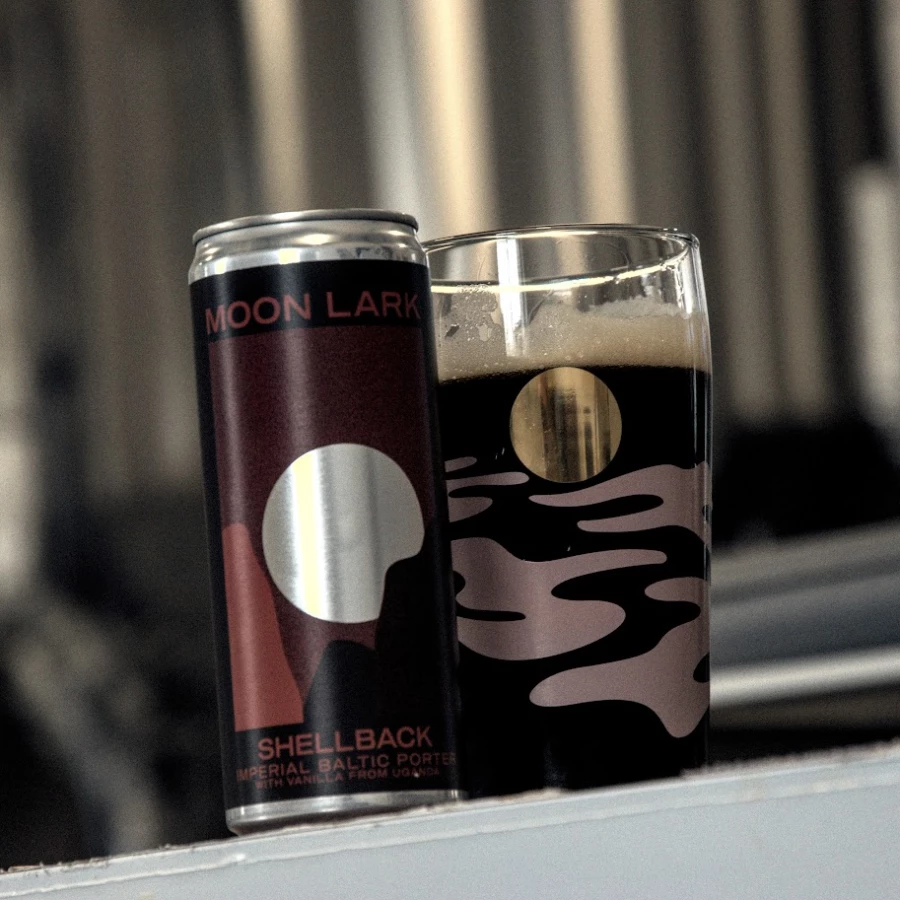
Paweł Masłowski: Yes. Dark, strong, complex beers in the style of Imperial Stout or Baltic Porter are great examples of beers where the addition of vanilla blends perfectly with the beer base. As I mentioned earlier, vanilla perfectly builds another layer of flavour and aroma into the beer, making it more complex. The more flavours the beer offers, the more interesting the vanilla note will be integrated into the whole.
Challenges and opportunities of vanilla
Piotr Gałuszka: Are there any combinations of additives that work particularly well with vanilla in beer?
Paweł Masłowski: For various combinations, it is safest to reach out to the world of confectionery. Usually, desserts that combine vanilla with other additives are good directional cues for making a flavour-complex beer with additives. Cocoa, coconut chips, milk sugar - lactose or coffee go well with vanilla. But there is undoubtedly scope left here and strawberry beer with vanilla will also find its customers.
Piotr Galuszka: Paul, you have discussed quite thoroughly what role vanilla plays in beer. Statements like this stuck out strongly to me: "another layer of flavour and aroma", you talk about the complexity and composition of the beer. For me, and I think many people who appreciate good beer, these are the qualities that are most important. The qualities by which we meet in good company and can start a conversation about beer, about what we find in it for ourselves and compare experiences.
Advice for Beginning Home Brewers.
Piotr Galuszka: For home brewers who would like to try adding vanilla to their beer, what advice would you have for beginners? How do you avoid potential pitfalls or mistakes?
Paweł Masłowski: Personally, I think a beginner brewer should remember that vanilla is not an aseptic spice. Before adding natural vanilla to beer, you should try to treat it to improve extraction and eliminate the microorganisms in it. The most common way is to blanch the cut sticks with alcohol and leave them for about 24 hours to extract the flavours in the alcohol and eliminate the microorganisms in the alcoholic environment. Secondly, use vanilla of the best possible quality, fresh, hermetically sealed and in a sufficiently large quantity. Beer is not crème brûlée where the addition of a few drops of extract is sufficient.
Piotr Gałuszka: Paweł, I am not a home brewer, but I have the impression and hope that the knowledge you are willing to share with us on the use of vanilla in beer will be very helpful to our readers and will be a fruitful inspiration.
I am glad that you mentioned the quality of vanilla because it is also our priority, verification of suppliers, each batch of imported raw material and laboratory tests are activities thanks to which we can offer our customers vanilla of excellent quality.
Thank you very much for taking the time to talk to me and I wish you successful projects, the results of which I will be looking forward to seeing in my friend's shop.
Brewing expert Paweł Masłowski was interviewed by Piotr Gałuszka, responsible for business customer relations at Mr Cook.