General rules for seasoning soups
Every national cuisine has its own unique secrets for seasoning soups. To achieve mastery in this art, it is worth starting by learning the universal rules that are used by chefs all over the world.
1 - When do we add seasoning to soups?
The saying "Time is the essence in cooking." is worth remembering in the context of adding spices to soups. Whole spices that need more time to bring out their full flavour, such as bay leaf or allspice, are added at the beginning of cooking. Ground spices, on the other hand, are added to soups towards the end of cooking. Of course, this is a general rule to which there are exceptions - for example, paprika is added to goulash soup at the beginning of cooking. However, it is easy to understand this rule - usually, if a particular spice is the primary ingredient in a soup it is added at the beginning of cooking.
2 - When do we add herbs to soups?
Fresh and dried herbs that are characterised by their delicacy, such as parsley, dill or marjoram, are added towards the end to preserve their aromatics. Note that many gourmet restaurants add fresh herbs just before serving the soup, which emphasises their fresh aroma.
Read also: How to season pumpkin soup
3 What spices and dried herbs are added to soups?
Basic spices like salt and pepper are indispensable in most soups. However, to give your soup a special touch, it is worth reaching for basil, thyme, rosemary or marjoram. Certain non-obvious spice combinations can become a secret ingredient in your kitchen. For example, the addition of nutmeg to pumpkin cream is a secret told by a chef in French restaurants.
4 When should you salt a soup?
Salt is the basis of flavour, but an excess of it can spoil any dish. That's why it's worth remembering the principle of gradual salting. Some of the water from the soup will evaporate during cooking, so the salt concentration will increase. If you salt the soup at the beginning of cooking, the ingredients may let go of more water, which will affect the consistency of the dish. In summary, it is best to start with less salt and then adjust the taste as necessary. Professional chefs taste the soup as it cooks, which allows them to balance the flavour perfectly. Here an important note - it is not enough to taste 1 tbsp, because you may get the impression that the soup is not salty, but when you eat the whole plate you may find that it is over-salted after all - so it is worth tasting 3-4 tbsp.
In practice, the key to achieving perfection in soup seasoning is experimentation and constant learning. The world of spices is full of endless possibilities, and every soup is another opportunity to discover something new.
Read also: What spices and herbs to use with cottage cheese
Seasoning broth - everything you need to know
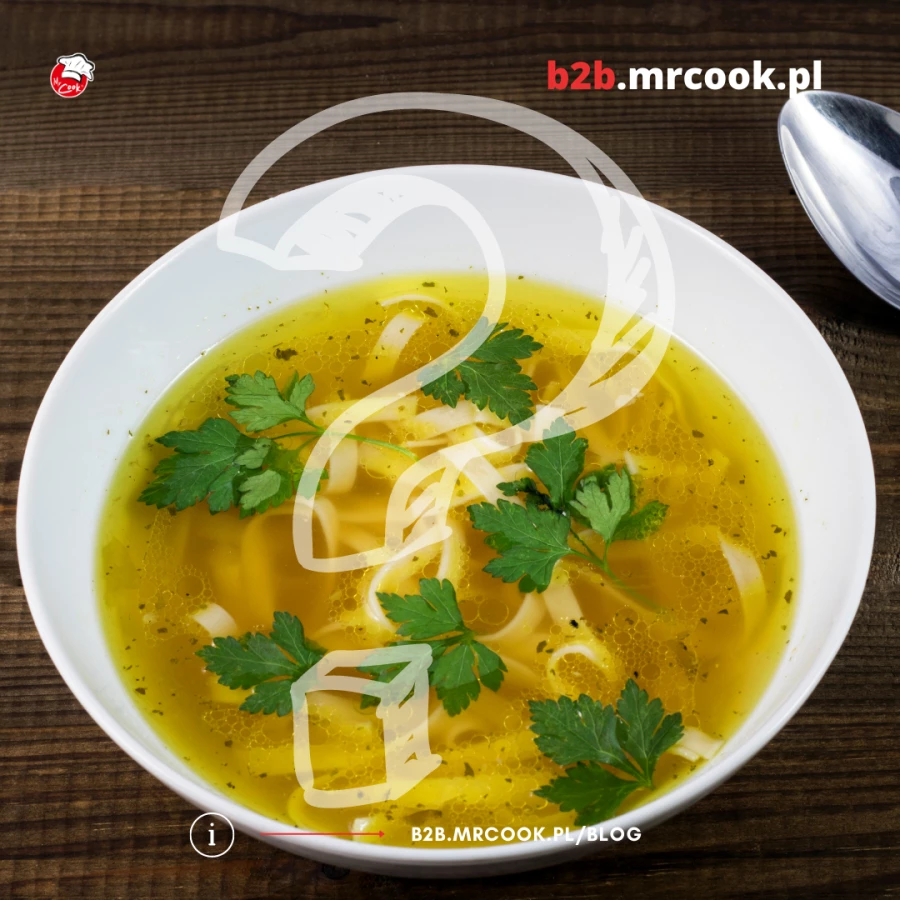
Broth: the foundation of Polish cuisine. But what makes this clear soup so rich in flavour? The key is the right spices, the skill to use them, and the secret which we will reveal later in this article.
1. how to season broth well?
This question is not only asked by novice cooks. The secret lies in the right balance and harmony of ingredients. Broth is a soup with a delicate taste, where the key ingredients for flavour are vegetables and meat. Nevertheless, it is the well-chosen spices that will make the broth special. Black pepper is the base, allspice and bay leaf are optional, and dried lovage root will add an amazing flavour to your broth. You will find out when and how to use spices in the following section.
2 What herbs to add to your broth?
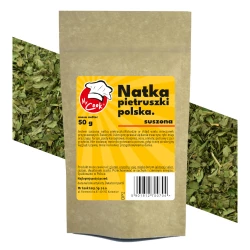
Fresh herbs (parsley, dill) are added to the broth before serving. Dried herbs are not often used in traditional Polish recipes. The broth is expected to have a natural, clear taste of meat and vegetables without interference from intense dried herbs. Nevertheless, in some variants or experimental recipes, you may find the addition of herbs such as thyme or rosemary, but this is not the norm.
3 When is the broth seasoned?
The order in which spices are added to the broth depends on the form in which you add the spices. A general rule of thumb is that you add whole spices at the beginning of cooking and ground spices towards the end of cooking. Fresh herbs, on the other hand, are added before serving the broth.
4 When do you add pepper to the broth?
Pepper is one of the most commonly used additions to many dishes, including broth. If you choose to add peppercorns, remember that they retain their flavour longer than ground pepper. Such pepper can be added at the beginning of cooking and then removed before serving. Ground pepper, on the other hand, has a more intense but short-lived aroma. Therefore, it is best to add it just before finishing cooking or immediately before serving the dish, so that the dish enjoys its full flavour.
Read also: Pepper: A professional guide to varieties, quality and use
5 When do we add bay leaf to broth?
Bay leaf is one of those spices that has the power to define the deep flavour of a broth. However, it is important not to overdo it, as too much bay leaf can dominate the flavour of the dish. In general, for 1 litre of broth it is recommended to add 1-2 bay leaves. Note that a long cooking time increases the intensity of the leaf's aroma, so you can add it during the cooking process. Once the process is complete, the bay leaf should be removed from the broth before serving.
6 How much allspice is given to the broth?
To a litre of water, 2-3 grains of allspice are sufficient. Although this may seem like a small amount, allspice is a strongly flavoured spice, so it is worth dosing in moderation.
7. what should I add to my broth to make it good?
The key to creating a great broth is to use fresh ingredients and quality spices. Nothing can replace the flavour of fresh vegetables, meat, and quality spices in a broth. The chefs' secret to a delicious and golden broth are:
-
Burnt onions. For a richer flavour and a beautiful golden colour, cut a peeled onion in half, tan it directly over the heat of a gas cooker or in a dry frying pan until it starts to turn black. This simple but effective trick will give your broth a professional look and unique flavour.
-
Dried lovage root. The aroma of lovage root blends perfectly with the broth, adding depth of flavour and aroma. It is not an ingredient in fresh lovage and it is difficult to buy fresh lovage root in the shop. However, it is worth buying it in the form of dried grits and adding it at the start of cooking at a rate of 1 teaspoon per litre.
8 What not to add to the broth?
Although experimentation in the kitchen is encouraged, there are certain ingredients that can dominate the delicate flavour of the broth. A spicy chilli or an excess of garlic can be too overpowering. It is better to stick to traditional ingredients and search for your perfect broth recipe by gently modifying the flavour of the broth.
Other popular soups in Poland and their seasoning
Krupnik, żurek, red and white borscht - these are just some of the traditional Polish soups that are enduringly popular. The right use of spices can transform even the simplest of them into a culinary masterpiece.
1. krupnik
A thick soup with barley and vegetables, often with the addition of meat. Salt and pepper are the basics, but the addition of a bay leaf, a few grains of allspice and a little marjoram are also key to bringing out the full flavour. Onions and garlic, stewed together with the meat, will add depth of flavour.
2 - Żurek
A traditional Polish soup based on rye sourdough. The slightly sour flavour of sour soup goes perfectly with garlic, bay leaf and a dash of black pepper. On the other hand, the spice which is indispensable in sour soup is dried marjoram, and the whole can be complemented with bay leaves. When choosing marjoram for Polish soups - be sure to pay attention to the country of origin. Polish marjoram has a much deeper aroma. Although more difficult to find than Egyptian marjoram, it is worth buying Polish marjoram in a specialist spice shop. Cream is also often added to sour soup, which gives it a creamy texture.
3. white borscht
White borscht is a traditional Polish soup based on sourdough made from wheat flour, with the addition of cream, and is often served with white sausage and an egg. Traditionally, white borscht is seasoned with salt, pepper, garlic and marjoram. What is the difference between sour soup and white borscht? These soups differ in the sourdough starter; sour rye starter is needed for sour rye soup and wheat starter for white borscht.
4. red borscht
Its characteristic colour and flavour is achieved thanks to the beetroot. The key to a successful red borscht is the balance between sweetness and acidity. Apple cider vinegar, salt, pepper and sometimes a little sugar are usually used. A clove of garlic and dried Polish marjoram will emphasise its distinctive character.
5. tomato soup
In the Polish culinary tradition, tomato soup is often served with the addition of parsley or dill, which add variety to its taste and aroma. Mediterranean cuisines, on the other hand, are dominated by basil and oregano, which emphasise the sunny character of the tomatoes. Is marjoram added to tomato soup? In our opinion, it is a spice specific to soups made from legumes. Therefore, if you feel like adding it to tomato soup it is worth doing so in moderation. Remember not to drown out the dominant flavour of the tomatoes with it, but only to add a new and interesting touch.
Read also: Which spices for fish soup
Choosing the right pepper and other spices for soups
1 Which pepper should you choose to season your soup?
Black pepper is most commonly used for soups, either in grain or ground form. White pepper is used less frequently, as we will write about below. As already indicated, pepper is added at the beginning of cooking if whole grains are given. This will contribute to the depth of flavour of the soup. However, if you are adding pepper in ground form, it is best to do this towards the end of cooking so that the pepper does not lose its flavour and dominate the dish.
2 - To which soups is white pepper added?
White pepper has a milder flavour than black pepper and is less pungent. It goes perfectly with cream soups such as leek cream, mushroom soup or cauliflower cream. Its mildness will not overshadow the flavour of delicate vegetables, while adding a slightly spicy touch to the soup.
3 - What spices should I add to legume soups?
Legume soups such as pea soup, lentil soup or bean soup taste particularly good with the addition of spices such as bay leaf, allspice, marjoram, thyme or cumin. Garlic and onions, stewed together with legumes, will add depth of flavour, while sweet or hot paprika will emphasise the character of the dish. Caraway can also help legumes digest better, as can the aforementioned marjoram.
4 - What soups do we add basil to?
Basil goes well with soups with a Mediterranean character, such as minestrone or tomato soup. Its fresh and slightly sweet flavour accentuates the sweet and sour character of the tomatoes perfectly. Basil also goes well with soups made with courgettes, aubergines or peppers. In terms of form, fresh basil works best as an addition just before serving the soup to preserve its intense aroma. Dried basil, on the other hand, is added during the cooking process for a more delicate and evenly distributed extraction of flavour.
5 - To which soups can oregano be added?
Oregano goes well with tomato-based soups such as minestrone or tomato soup, giving them a distinctive Mediterranean flavour. Its distinctive flavour will also accentuate various varieties of fish soup, especially those with a Mediterranean flavour. Oregano is added during cooking so that the spice has time to release its aroma. Dried oregano is best added 10-15 minutes before the end of cooking so that it gives its full aroma, but at the same time does not dominate the flavour of the dish.
Read also: How to season and roast a whole chicken
Coolers and their seasoning
1 The basic ingredients of a cooler and their role in flavour
A cooler is a soup based on sour buttermilk, yoghurt, kefir or cream. The flavour is determined by vegetables such as botrytis, radishes, cucumber and herbs. Fresh dill and chives are mainly used. The right balance of these ingredients is the key to achieving a refreshing taste.
2) Which spices go well with Lithuanian cooler?
Dill, garlic, pepper and salt are most commonly added to Lithuanian cooler. Garlic and dill are the spices that define its distinctive flavour.
3. does a beetroot cooler require other seasonings?
Botwinka cooler is seasoned in a similar way to Lithuanian cooler, but the key role is played by the botwinka (young beet leaves), which gives the soup its characteristic earthy flavour.
4. the influence of additives such as egg or radish on the taste of the cooler
Hard-boiled eggs and radishes add oozing substance and flavour contrast to the cooler, emphasising its refreshing character.
5. when and how should I salt my cooler so that it is not too salty?
Salt is added to the cooler at the end of cooking, before the soup has cooled, gradually until the desired taste is achieved. It is important to salt carefully, especially when using sour buttermilk, which may already be slightly salty on its own.
6. cold soups in other European cuisines
-
Spanish Gazpacho: It is based on tomatoes, peppers and cucumber, with the addition of garlic, onions and wine vinegar. Characteristic seasonings include salt, pepper and sometimes sweet or hot paprika.
-
Hungarian Meggyleves cooler (fruit cooler with cherries): It is seasoned with sugar, salt, cinnamon and sour cream to balance the sweet and sour taste of the cherries.
-
Ukrainian Okroshka: This is a cooler based on sour buttermilk, kefir or bread acid. The basic ingredients are finely chopped vegetables (radishes, cucumber, onions) and cold cuts (e.g. sausage) or seafood (e.g. shrimp). Characteristic seasonings include dill, chives, mustard and pepper. Sometimes hard-boiled eggs are also added. This soup is a great example of Ukrainian cuisine, which combines traditional ingredients in a surprisingly refreshing way.
Coolers are delicious seasonal soups served cold. Their seasonality allows the use of fresh base ingredients from local cultivation, which in themselves are already the quintessence of taste. Therefore, in our opinion, when it comes to seasoning, you can limit yourself to salt, pepper and fresh herbs.
Read also: Ingredients for gingerbread spice
Summary
When cooking soup, taste it to adjust the flavour to your own preferences. Whole spices, such as bay leaf or allspice, are always removed before serving the soup or broth. The most effective way to remove them from the broth is by straining, but the most convenient way is to cook the broth in a pasta pot with a special insert with a strainer. When the broth has finished cooking, simply remove the insert from the broth, then you can quickly separate the meat, vegetables and whole spices. Whole spices that have been added can also be removed from the soup before the end of cooking if you feel that they have released enough flavour for you.
Remember that cooking is also an art - don't be afraid to experiment with different spices and additives. Every soup can be made unique by your creativity. It is also important to season properly with salt and pepper - this is the foundation on which all other flavours are based.
Soups are all about balance - remember not to overdo any of the ingredients, so that none dominates the dish and the whole creates a coherent and harmonious composition.
Wholesale spices from Mr Cook are synonymous with the highest quality in the food industry. Our spices, herbs and seasoning mixes are carefully selected to meet the expectations of even the most demanding chefs. Thanks to our extensive range, every dish can become a work of culinary art. Discover our range and let Mr Cook be your partner in creating unforgettable flavours.