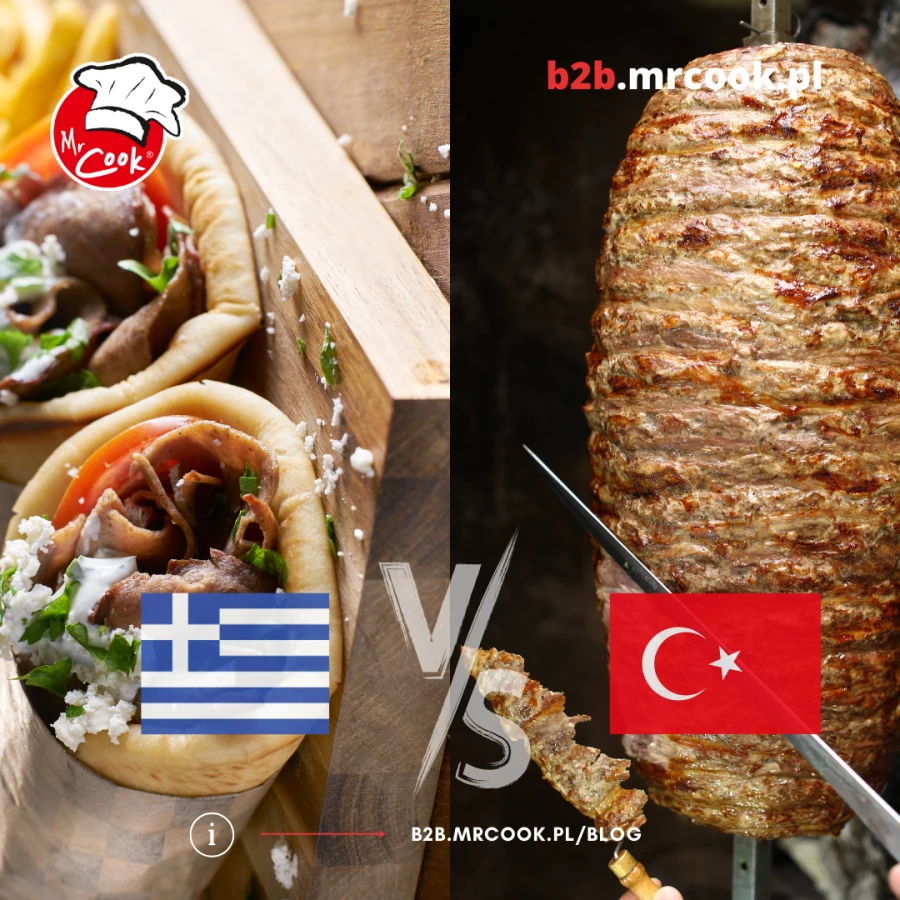
Kebab vs. Gyros - a spice duel
Kebab, originating from Turkey, is usually characterised by deep, earthy notes and a spicy hit. The main ingredients in the kebab seasoning from Mr Cook, such as Roman cumin, curry and Cayenne pepper, are key to achieving its distinctive depth. Roman cumin brings an earthy, slightly bitter flavour that is perfectly balanced by the sweetness and heat of sweet peppers and the complexity of curry, which combines coriander, turmeric, mustard, cloves and other ingredients.
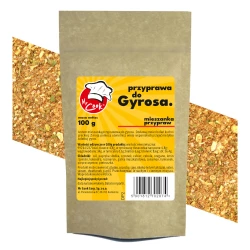
Gyros, on the other hand, has its roots in Greece and is often characterised by lighter, more herbal and fresh notes. The dominant ingredients in gyros seasoning, such as oregano, rosemary and thyme, give the dish a distinctive Mediterranean profile. Garlic, onion and parsley add flavour and freshness, while the subtle use of cinnamon and nutmeg introduces a subtle, sweet touch.
Why is kebab and gyros seasoning a bad choice?
Choosing a one-size-fits-all seasoning for both of these dishes can result in losing the authenticity of the flavours that are the foundation of their cultural identification. Kebab and gyros, although similar in their form of serving, require different combinations of spices to fully capture the spirit of Turkish and Greek cuisine.
The key element is to understand that kebab and gyros are not just different breads in which they are served, but more importantly different approaches to flavour. The kebab in its spiciness and earthiness contrasts with the more herbaceous, fresh flavour of gyros. Using one spice for both dishes is not only impractical, but also detracts from the culinary experience that these dishes have to offer.
In which bread to serve authentic Greek gyros and in which to serve authentic Turkish kebab?
Choosing the right bread is just as important as choosing the spices when it comes to preparing authentic dishes from different cultures. Greek gyros is traditionally served in a thick, soft bread called pita. The pita is ideal, as its pocket is perfect for filling with grilled meat, fresh vegetables and sauces such as tzatziki. Its soft, slightly bread-like texture compliments the fresh and herbaceous flavours of gyros without dominating them.
Turkish kebab, on the other hand, is most often served in lavash or yufka, which are thinner and more flexible than pita, allowing the ingredients to be easily rolled up. This form of serving not only makes it easier to eat kebabs on the street, but also helps to keep all the flavours and juices inside the bread, enhancing the dining experience.
Using tortillas as a substitute for traditional breads such as pita, lavash or yufka is unfortunately a mistake that can often be seen outside the countries of origin of these foods. While the tortilla may seem like a practical and readily available choice, it does not adequately capture the texture or taste of the original breads used in Greek gyros or Turkish kebabs. This limits the depth of culinary experience that these dishes can offer, reducing their authenticity and distorting the expected taste experience. Therefore, it is always advisable to look for or even prepare at home the right bread to enjoy the true taste of these traditional dishes.
Summary
If you care about authentic taste, invest in specific spices for each dish. By doing so, you are making dishes that are in line with the traditional recipes and culinary traditions from which each of these dishes originated. Respect the diversity and richness of flavours that Turkish and Greek cuisine offers, avoiding shortcuts in the form of universal spices. The taste of real kebab and gyros is a taste that deserves to be appreciated. It's the only way to bring back the flavours of your holidays!