Types of pepper - in the context of homogeneous spices
Pepper comes in many varieties, each of which brings a unique set of flavours and aromas to a dish. Let's take a closer look at the more and less common types of pepper to better understand how their use can enrich our kitchen experiments.
Black pepper
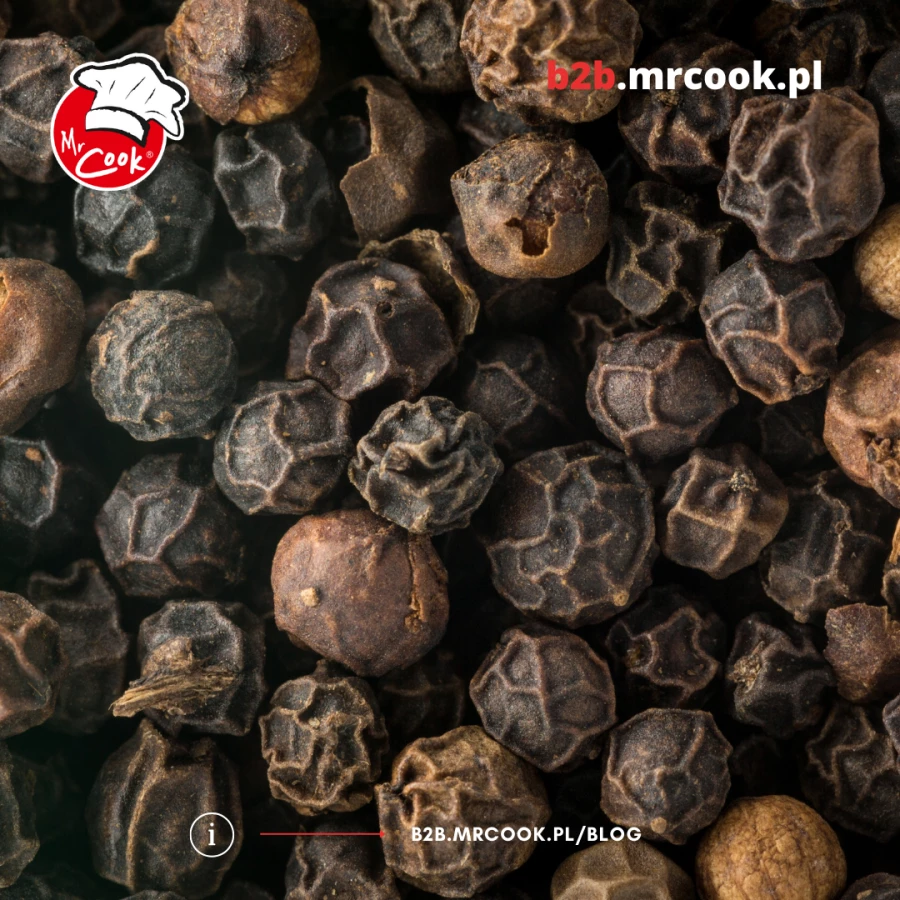
Black pepper, the most common form of pepper, is obtained by blanching unripe green peppercorns and then drying them in the sun, which turns the matrix black and wrinkled. It is prized for its intense, peppery and versatile flavour. Freshly ground black pepper is perfect for almost any dish, from steaks to soups and sauces, offering a depth of flavour that can elevate a simple meal to the next level.
White pepper
White peppercorns are mature peppercorns from which the outer layer has been removed, giving it a milder flavour compared to its black counterpart. It has a milder flavour and is often used in dishes where aesthetics are important, such as white sauces, mashed potatoes or light soups, where the presence of black bits would be undesirable.
Green pepper
Green peppercorns are unripe peppercorns, usually dried or preserved in brine to retain their green colour and fresh, mild flavour. It is less pungent than black and white pepper, with a slightly fruity aftertaste, making it ideal for delicate sauces, salads and in fish and seafood dishes.
Red pepper (pink)
Red pepper, also often referred to as pink pepper, is not a true pepper but the fruit of the Brazilian pepper tree, which looks like peppercorns. It has a fruity, almost sweet flavour with a slight spiciness. Its bright colour and unique flavour go well with dessert dishes, fruit salads and as a garnish and flavouring for cocktails.
Sichuan pepper
Sichuan pepper, also known as szechuan or sichuan, is not a typical pepper but the fruit of the Zanthoxylum plant, often referred to as 'Chinese peppercorn'. It is characterised by a unique, intense aroma and a distinctive flavour that combines citrus notes with a distinct tingling sensation on the tongue. It is this tingling sensation, caused by the substance it contains - sanshool - that distinguishes Sichuan pepper from other spices.
Sichuan pepper is an indispensable ingredient in Sichuan cuisine, famous for the depth of flavour and intense spiciness of its dishes. It is used both whole and ground, adding a distinctive 'tingle' to dishes and helping to create a rich, complex bouquet of flavour. It is ideal in spicy meat and fish dishes, in vegetable stir-frys, and as part of seasoning blends for marinades and sauces.
Its unique character has also made Sichuan pepper popular outside China, inspiring chefs around the world to experiment with its use in modern cuisine, from traditional Asian dishes to innovative international creations.
Wild pepper from Madagascar (Borbonese)
Madagascar wild pepper, also known as 'Voatsiperifery' or 'Borbonese', is a rare variety of pepper that grows wild on Malagasy trees in tropical forests. It is prized for its unique, complex palette of flavours with distinct notes of wood, flowers and fruit. Thanks to its rarity and intense, unique aroma, Madagascar wild pepper is coveted by chefs and gourmets around the world. Its grains tend to be smaller and can range in colour from red to brown to black, further attesting to its natural origin and wild character.
The pungent yet subtly sweet characteristics of this pepper make it ideal for meat dishes, especially game, fish, as well as sophisticated sauces and desserts requiring a deep, rich accent. Because of its unique flavour profile, Madagascar wild pepper is ideal for experimenting in haute cuisine, adding not only flavour but also exclusivity to the dishes served.
Adding Madagascar wild pepper to your arsenal of kitchen spices is a way to introduce not only an unusual flavour to your dishes, but also an element of surprise and novelty that can delight guests looking for a unique culinary experience.
The importance of a conscious choice of pepper
Choosing the right type of pepper can have a significant impact on the final taste of the dish being prepared. Experimenting with different types of pepper not only adds variety to the culinary experience, but also allows the taste to be better matched to individual preferences and the specificity of the dish. It is important to keep freshness in mind - freshly ground pepper will always have a more intense aroma and flavour than its ground counterpart bought from the shop. If you would like to learn more about choosing pepper in terms of quality, varieties and the production process, read my article 'Pepper: A professional guide to varieties, quality and use'.
Which pepper to choose for which dish?
Choosing the right type of pepper for a dish is an art that can significantly affect the final flavour. Different types of pepper can compliment, enhance or add a surprising touch to a dish, so it is useful to know the basic principles of pairing pepper with meat, fish, vegetables and desserts.
Which pepper to choose for meat?
-
Black pepper: Its versatility makes it ideal for most types of meat, including beef, pork, and poultry. Freshly ground black pepper added to meat before grilling or frying can enhance its flavour and add a nice spicy touch.
-
Madagascar wild pepper: Excellent for game and exquisite steaks, adding depth of flavour and a slightly exotic aroma.
Which pepper to use with vegetables?
-
White pepper: Its milder flavour goes well with light-coloured vegetables such as cauliflower, potatoes or parsnips, without altering their natural colour.
-
Green pepper: Great with fresh salads, marinades and steamed vegetables, adding a subtle but noticeable spiciness without dominating other flavours.
Which pepper to choose for fish?
-
White pepper: Its subtle flavour blends perfectly with the delicacy of fish without overpowering its natural aroma. Particularly recommended for white fish such as cod or halibut, white pepper can be used both before and after cooking to add a subtle spiciness without changing the colour of the dish.
-
Green pepper: With its freshness and mild spiciness, green pepper is an ideal addition to fish patties, sauces and fish marinades. Its fruity flavour can enhance both fried and baked fish, and it also goes well with creamy sauces.
-
Lemon pepper: This aromatic blend of pepper with lemon notes is an excellent choice for fish and seafood. It adds a refreshing, slightly acidic note that enhances the flavour of fish, especially grilled or baked fish.
Adding the right pepper to fish can significantly enhance the dish, adding depth and character. Experimenting with different types of pepper allows you to discover new and exciting flavour combinations that can transform an ordinary fish dish into an exceptional meal.
Which pepper to choose for desserts?
-
Red (pink) pepper: Its sweet and spicy profile is a great addition to desserts, especially those with fruit. It can be used in cakes, creams or even chocolates, creating surprising combinations.
-
Lemon pepper and orange pepper: These aromatic blends are great in fruit desserts, sorbets and cocktails, adding a refreshing note.
The choice of pepper for a particular type of dish depends on many factors, including personal taste preferences, the nature of the dish and the desired end result. Experimenting with different types and varieties of pepper can be a fascinating journey through the world of flavours to discover new and surprising combinations and enrich the culinary experience.
The use of pepper in sauces
Pepper sauces are a fascinating culinary element that can enhance the flavour of many meat dishes, giving them a unique depth and intensity. They offer a wide range of possibilities for culinary experimentation, from classic to more extravagant combinations. Here are some inspiring examples of pepper sauces that can become stars in your kitchen.
Green pepper sauce for steaks
This is a classic among pepper sauces that pairs perfectly with steaks. The use of green pepper adds a subtle spiciness and freshness, which perfectly enhances the flavour of perfectly roasted meat. This sauce uses green peppercorns, cream, beef stock and a splash of brandy or cognac to create a rich, creamy sauce with distinct peppery notes.
Black pepper sauce in Thai dishes
The intense and robust flavour of black pepper sauce makes it indispensable in Thai cuisine. It combines the spiciness of black pepper with garlic, soy and oyster sauces, as well as the subtle sweetness of sugar to create an extremely flavoursome and spicy accompaniment to chicken, beef or pork. It is ideal not only as a sauce for fried and grilled dishes, but also as a dip.
Sauce beurre blanc with white pepper
Sauce beurre blanc with white pepper: Light and elegant, sauce beurre blanc, with the addition of white pepper, goes well with delicate meats such as fish or poultry. White pepper, with its subtler flavour, enriches the sauce without overpowering the delicacy of the meats.
Sechuan sauce
A pungent and aromatic sauce from China's Szechuan province, in which a blend of Sichuan pepper and chilli plays a key role. This sauce has a unique combination of spiciness and a slight tingling sensation that stimulates the taste buds. It goes perfectly with wok dishes, meats and vegetables.
Pepper-soy sauce
This is a simple but tasty sauce that combines the intensity of soy sauce with the spicy touch of black pepper. It is a versatile sauce that can be used as a marinade for meats or as a side dish for rice and noodles.
Pepper sauce with bourbon
The combination of the intense flavour of bourbon with hot black pepper creates a deep and rich sauce, ideal for beef and grilled meats. The addition of honey or brown sugar can balance the spiciness, creating a sauce with a complex flavour profile.
These various pepper sauces demonstrate how versatile this spice can be, offering endless culinary possibilities that can satisfy even the most discerning palates. Exploring different pepper and ingredient combinations can lead to the discovery of new favourite sauces to enhance any meal. And building on individual types of pepper and their classic combinations easily takes us into different international cuisines.
When to add pepper to season dishes?
The timing of the addition of pepper to a dish is crucial to the final flavour of the dish. Different seasoning techniques can accentuate or alter the flavour profile of ingredients, and understanding when to add pepper will help you achieve the desired culinary results.
Before cooking
Adding pepper before the cooking process is a common practice, especially when preparing meats. Not only does pepper add flavour, but it also helps to create an appetising golden crust, especially when grilling or frying. However, it is worth remembering that cooking pepper for a long time, especially at high temperatures, can make it lose some of its flavour. Therefore, in the case of prolonged cooking, it is better to add pepper towards the end of cooking.
Examples of when it is a good idea to add pepper before cooking:
-
Steaks and roasted meats: seasoning meat with pepper before grilling or roasting helps to boost the flavour of the crispy crust (crust). During roasting, frying and grilling, a Maillard reaction takes place, which is responsible for browning the meat and creating a deep flavour and aroma. Although pepper itself is not a catalyst for this reaction, its ingredients can contribute to the complexity of the flavours created by this reaction.
-
Marinades: pepper added to marinades penetrates deep into the meat, fish or vegetables, enriching their flavour from within.
During cooking
Adding pepper during cooking is a great way to enhance the flavour of dishes such as soups, sauces or stews. In this way, the pepper has time to release its aroma and blend into the dish, while retaining its characteristic spiciness. This is particularly important for long cooking processes, where pepper added at the beginning can gradually give off its flavours, enriching the whole dish.
Adding pepper during the cooking of a dish is ideal for:
-
Soups and stews: Pepper added during slow cooking gradually releases its flavours, enriching the depth of flavour of the dish.
-
Sauces: The introduction of pepper during the cooking of sauces allows a gradual release of spiciness and balances the flavour of the final product.
After cooking
Adding freshly ground pepper directly to finished dishes is ideal for enhancing and refreshing their flavour just before serving. This practice is particularly popular with salads, pastes and light sauces, where the freshness and fullness of pepper flavour can be fully appreciated. In addition, freshly ground pepper added on the plate allows better control over the amount and intensity of flavour.
Examples of dishes to which pepper should be added at the end of cooking:
-
Salads: Fresh pepper can add an extra layer of flavour to salads, especially when combined with light, oil-based dressings.
-
Eggs: Sprinkling freshly ground pepper on eggs (soft boiled, fried or in omelette form) just before serving enhances their delicate flavour.
-
Pasta (pasta) and risotto: Fresh pepper added to the plate accentuates and refreshes the flavour of these dishes, adding character without dominating the other ingredients.
Of course, whenever you feel like adding pepper to a dish you can add it already on the plate and this is perfectly correct. However, understanding when it is best to add pepper to a dish is a key part of culinary craftsmanship. By experimenting with different times to add pepper, you can discover new dimensions of flavours and aromas that will make any dish even more special. Whenever you use pepper, it is worth remembering that the amount and type of pepper should be adapted to the type of dish and your personal taste preferences, allowing you to create perfect and harmonious culinary compositions. If you are preparing dishes as a professional chef or for guests, be careful with pepper. Not everyone likes a spicy taste.
Pepper-based mixtures
Exploring flavours through pepper blends offers an extraordinary culinary experience that can enhance any dish. Using the ingredients in the right proportions allows you to create unique combinations that will satisfy even the most demanding palates. We present three unique blends whose composed flavour compositions will take your dishes to a new level.
Coloured pepper
This blend combines four types of pepper: white, black, green and red, creating a rich palette of flavours and aromas. The white variety brings delicacy, black brings intensity, green brings freshness and red brings a slight sweetness. The perfectly balanced proportions of these peppers create a blend that is perfect for almost any dish, from meat to vegetables, adding depth and flavour complexity.
What to use coloured pepper for?
For steaks (meat, but also vegetarian steaks such as cauliflower)
Marinate your favourite steak in rapeseed oil with a freshly ground mixture of coloured pepper and salt for a minimum of a few hours (I recommend leaving it for 1 day) to allow the meat to develop flavour. Grill until desired degree of doneness. The coloured pepper mixture will not only add a complex depth of flavour to the steak, it will also create a beautiful, appetising crust and the variety of peppercorns will make the dish visually appealing.
Orange pepper
The composition of this blend is based on combining the intensity of black pepper with the refreshing sweetness of orange zest, complemented by delicate notes of sweet pepper and turmeric. Salt and sugar are subtly used to balance the flavour, making this blend ideal for a dish with a distinct character. It will be perfect in poultry and fish dishes, as well as an unusual addition to salads and sauces, bringing a sweet and spicy touch to them.
What to use orange pepper for?
Arugula salad with orange pepper
Prepare a light, refreshing arugula salad by adding fresh orange slices, nuts and maybe even pieces of grilled chicken for protein. Use an orange pepper blend to make a dressing based on olive oil and lemon juice. This mixture, with its notes of orange and pepper, compliments the flavour of the salad perfectly, adding not only tanginess but also a refreshing citrus touch.
Lemon pepper
In this blend, the dominant black pepper combines with the sour zest of the lemon to create a refreshing and stimulating flavour. The addition of turmeric adds a golden colour to the mix. This blend is ideal for fish and seafood, giving them a fresh, citrusy touch. It can also be used to season light salads and vegetable stir-frys, offering a subtle background to the main ingredients.
What to use lemon pepper for?
Baked fish with lemon pepper
Choose a delicate white fish, such as cod or halibut, and sprinkle it generously with the lemon pepper mixture before baking. Adding thin slices of lemon on top of the fish before putting it in the oven will not only accentuate the citrus flavour, but also ensure juiciness. The lemon pepper combines well with the delicacy of the fish, giving it a refreshing aroma and a slight tanginess, making this dish an ideal choice for a light lunch or dinner.
Each of these pepper blends has been carefully composed to bring out the best in the individual ingredients, creating a harmonious whole that could revolutionise the way you season your dishes. Experimenting with them in the kitchen is a great way to discover new flavours and create memorable dishes.
Practical tips on pepper as a seasoning
As one of the most basic and versatile spices, pepper needs to be treated properly to fully bring out the best flavours and aromas. Here are some practical tips to help you make the most of this culinary treasure.
Storing pepper
To preserve the freshness and flavour intensity of pepper, it is important to store it in the right way. It is best to keep peppercorns in a tightly closed container, in a cool and dark place, away from direct sunlight and moisture. This method of storage will prevent the loss of essential oils, which are responsible for the aroma and flavour of pepper. Ground pepper loses its properties much faster than the seeds, so it is recommended to grind it immediately before use.
Choosing a pepper mill
Traditional pepper mill: Popular for their ease of use and ability to match the aesthetics of the kitchen, traditional manual pepper grinders offer precise control over the grinding thickness of the pepper. When choosing a grinder, it is important to pay attention to the material of the grinds - ceramic grinds are resistant to corrosion and odours, ideal for preserving flavour purity, while stainless steel grinds have exceptional durability, recommended for heavy use. Both options offer adjustable grinding thickness, allowing you to match the consistency of the pepper to a variety of dishes, from delicate sauces to marinades. When choosing a grinder, consider your own preferences for durability, ease of cleaning and frequency of use to find the tool best suited to your individual culinary needs.
Electric pepper mill: For those who appreciate convenience, electric pepper mills are an excellent option. They only require the push of a button to produce freshly ground pepper. Some models even allow you to adjust the grinding thickness.
Electric coffee grinder - a convenient alternative: Using an electric coffee grinder to grind black pepper can be a convenient solution, especially when you need to grind larger quantities of the spice, as when preparing homemade sausages. However, it is important to clean the grinder thoroughly after each use to avoid mixing flavours.
Recipes using different types of pepper
The use of different types of pepper can make a significant difference to the flavour and aroma of the food being prepared. Here are some inspirations:
-
Caesar salad with coloured pepper: Add a twist to the classic caesar salad by using freshly ground coloured pepper. Its complex flavour will be perfectly enhanced by a dressing based on anchovies and parmesan cheese.
-
Chicken with lemon pepper: Chicken marinated in a mixture of olive oil, fresh rosemary and lemon pepper and then roasted is a simple way to make a delicious and flavoursome dish.
-
Orange pepper risotto: Add a pinch of orange pepper to your favourite risotto recipe. Its delicate sweetness and citrus aroma blend perfectly with the creamy texture of the dish.
Experimenting with different types of pepper and grinders can be the key to discovering new flavours and cooking techniques to enhance your experience in the kitchen.
Pepper in professional catering
In professional gastronomy, pepper is not just a simple spice - it is the key to creating sophisticated, complex flavours that delight the guests of top-class restaurants. Master chefs use different varieties of pepper, experiment with seasoning techniques and combine flavours in ways that often surprise and enchant. How pepper is used in top-level cuisine is a testament to the skill and creativity of the chef.
Pepper seasoning techniques for flavour extraction in professional gastronomy
Professional chefs know the value of adding pepper at a precise moment in the cooking process. Whether adding freshly ground black pepper to a delicate leek cream or using Sichuan pepper to add depth of flavour to intense, spicy sauces, technique is key. The right timing of pepper addition can enhance the flavour of a dish, while overuse can drown out other ingredients.
Which pepper to use in haute cuisine?
Top-level cooking, also known as haute cuisine, requires not only skill and precision, but also an understanding of how ingredients affect the flavour and presentation of a dish. Wild pepper from Madagascar, with its complex, slightly sweet notes, is often chosen for delicate sauces and refined meat dishes, while aromatic Sichuan pepper is ideal for dishes that require depth and a distinctive 'tingle' on the tongue.
Inspiring examples of breaking flavour with pepper
Innovative use of pepper can transform even the simplest dishes into works of culinary art. An example is the use of lemon pepper to add freshness and lightness to heavy, creamy desserts, balancing sweetness with a subtly spicy touch. Another example is the use of a blend of coloured peppers in marinades for grilled meats, where each type of pepper adds a unique flavour accent, creating a complex, rich palette of sensations.
The use of pepper in the professional kitchen proves that it is an ingredient with limitless possibilities, crucial to creating memorable, sophisticated culinary experiences. How chefs use pepper is a testament to their creativity, knowledge and respect for culinary tradition, while seeking out new and inspiring flavours.
I answer your questions about pepper as a spice in home and catering cuisine
Is 1kg of black pepper a lot?
Buying 1kg of black pepper may seem like a lot, but for a family of four using this spice regularly, this amount can be used up in a few months. If pepper is a staple in many of the dishes you prepare, consider buying a larger quantity and grinding it in batches as required. It's worth noting that you can buy a 1kg pack of black pepper in PET jars or doypacks with string (stand-up resealable bags), then you don't have to worry about a storage container. Freshly ground pepper retains its aroma and flavour much longer than ground pepper stored for a longer period of time.
Does pepper give a bitter taste when frying or grilling?
There is a belief that peppering meat before frying or grilling can contribute to a bitter taste. However, if you use pepper moderately and do not overcook it, it should not impart unwanted bitterness to the food. The key is moderation and controlling the cooking temperature so that the pepper can bring out its best flavours without the risk of burning. However, my tests show that you will burn the meat sooner than get a bitter taste.
How do you make coloured pepper at home?
You can prepare coloured pepper yourself by mixing equal volume proportions of black, white, green and red pepper. This approach achieves a balanced blend of flavours and aromas. Note that reputable manufacturers often use this method to maintain a high quality blend, while the weight proportions may vary depending on the pepper varieties used.
How long can I store black pepper after grinding?
Freshly ground black pepper is best used as soon as possible to enjoy its full aroma and flavour. However, in the realities of home cooking, ground pepper can be stored for 3-4 months, maintaining satisfactory quality. The key is to store it in an airtight container, away from light and moisture.
Is it practical to buy pepper in large packs?
Buying pepper in larger packs can be more economical and environmentally friendly, especially if you use the spice regularly. For those who use up a standard bag of pepper in 1-2 weeks, buying a larger pack, such as 200g, is a sensible option. In addition, if you are involved in preparing home-cured meats, buying 1kg of pepper may be appropriate and will not sit unused for too long.
What to do when too much pepper has been used?
If you have used too much pepper, which gives it an unwanted spiciness, there are several effective ways to mitigate the effect:
-
Remove the excess pepper immediately from the dish you are preparing before it gives it excessive spiciness, this may seem like trivial advice, but if, for example, you have opened a pepper shaker while seasoning and its contents have fallen into the dish, this is the first and most important step before assessing whether you have actually saved your work, if the dish is still too spicy you can try further ways.
-
Add soothing ingredients: Dairy products such as cream, yoghurt or coconut milk can neutralise the spiciness of the pepper. Adding one of these products to a dish can help balance the flavours. This is a good way especially with sauces and soups. Increase the amount of base ingredients: Adding more base ingredients, such as vegetables, meat or broth, will help dilute the intensity of the pepper, making the dish more mild. Choose those that contain a lot of starch, as I will write more about below.
-
Use sugar or honey: A small amount of sugar or honey can balance out the excess pepper. The sweetness effectively tempers the spiciness, restoring harmony of flavours.
-
Add ingredients rich in starch: Such ingredients are potatoes, rice or pasta. They will help temper the spiciness of the pepper. You can also use starch to thicken the dish if the texture still allows it.
-
Dilute, but judiciously: Adding additional liquid (water, broth, wine) can help dilute the spiciness, but it is important to remember that reducing the liquid alone will not remove the piperine, the ingredient responsible for the pepper's pungent flavour. Dilution can only spread the intensity of the pepper over a larger volume of the dish. This is a good way if you have greatly overdone the pepper, and you can freeze the excess food or gift it to loved ones.
-
Serve with accompaniments: Serving a dish with items that can temper the spiciness, such as bread, rice or fresh vegetables, can help offset the effect of excess pepper on the taste experience.
Remember to always add pepper gradually and taste the dish as it cooks to avoid overdoing it. However, in the event that a dish turns out to be too hot, trying the above methods can help save it.
How does pepper affect the taste of food?
Pepper, known for its pronounced spiciness, has the ability to enhance flavour and add depth to dishes. Chemicals in pepper, such as piperine, are responsible for its characteristic spiciness and can increase the secretion of saliva and gastric juices, which in turn aids in the perception of flavours. Additionally, pepper can balance sweetness or acidity in dishes, creating a more complex flavour profile. It is also worth mentioning that the different types of pepper (black, white, green, red) introduce a variety of flavour notes to dishes, from intensely spicy to subtly sweet or fresh, allowing for creative experimentation in the kitchen.
What is the difference between organic pepper (BIO) and conventional pepper?
Organic pepper (BIO) differs from conventional pepper primarily in its cultivation methods. Organic pepper is produced without the use of synthetic pesticides and chemical fertilisers, which helps to protect the environment and preserve biodiversity. Additionally, organic cultivation often focuses on sustainable resource management and better working conditions for farmers. As a result, BIO pepper can be seen as a healthier and more environmentally conscious alternative, although the differences in taste are sometimes subtle and depend on individual consumer preferences.
Is it safe for everyone to add pepper as a food seasoning?
Although pepper is widely used and considered safe, in some cases its consumption may require caution. People with stomach conditions, such as ulcers or gastritis, may experience irritation after consuming spicy spices, including pepper. In addition, people with food intolerances or allergies should be wary of allergic reactions. It is always advisable to consult your doctor if you have concerns about your diet. It is also worth mentioning that children, especially those under the age of one, should be gradually accustomed to new flavours, including pepper. Although there is no strict age from which children can safely consume pepper, caution and moderation in its use is recommended. Introducing pepper and other spices into a child's diet is the responsibility of the parent, and if you do not feel competent to do so, consult your paediatrician to tailor the spices to your child's individual needs and tolerance.
How does black pepper boost metabolism?
Black pepper, thanks to its piperine content, is often cited as a natural way to support metabolic processes. Piperine can affect meal thermogenesis, the body's process of heat production, which could theoretically speed up metabolism and support digestive processes. Additionally, some studies suggest that black pepper may promote the breakdown of dietary fat. However, while black pepper may have some positive metabolism-boosting properties, it should not be considered a miracle weight-loss remedy and its effects are best assessed in the context of a balanced diet and healthy lifestyle. Increasing your pepper intake during a weight-loss diet can help, but only a proper balanced diet tailored to your calorie requirements will yield tangible results.
What to use Sichuan pepper for?
Known for the distinctive tingling sensation it causes on the tongue, Sichuan pepper is a key ingredient in Sichuan cuisine. Its unique properties make it great for seasoning a variety of dishes, adding depth and flavour complexity. It is perfect for both meat dishes, such as spicy roast pork or aromatic kung pao chicken, and vegetarian dishes such as mapo tofu or Sichuan cucumber salad. It is also a must-have ingredient in Chinese soups such as Sichuan hot pot, offering a unique balance of flavours and adding intensity to danio. But for creative cooks, it can also be a great addition to marinades and sauces, lending unique aromatic notes to grilled vegetables or enhancing the flavour of homemade chilli sauce, where its distinctive tingle and depth of flavour can bring dishes to a new level.
Summary: Seasoning with pepper - The Knowledge and Art
Seasoning food with pepper is not only a culinary necessity, but also an art that can significantly enhance the flavour and aroma of our dishes. Nicknamed the 'king of spices', pepper is a cornerstone of cuisine around the world, and its varied varieties offer a wealth of flavours and possibilities, allowing you to experiment and create new and memorable dishes.
Key findings:
-
The diversity of pepper: Getting to know the different types of pepper - from black, white, green to red and wild from Madagascar - allows you to better match the spice to the character of the dish and explore new flavours.
-
The timing of adding pepper: Understanding when best to add pepper to a dish - before, during or after cooking - is crucial to the intensity and flavour of the dish.
-
Pepper blends: Using pepper-based blends, such as coloured pepper, lemon pepper or orange pepper, opens the door to new and exciting flavour combinations that can transform even the simplest dishes.
-
Practical tips: The proper storage of pepper, the choice of pepper grinder, and the conscious use of different types of pepper in the kitchen are skills that every cooking enthusiast should possess.
Pepper is not just a spice - it is an essence of flavour that can transform the cooking experience. Experimenting with different types and when to add pepper to dishes will allow you to discover new dimensions of flavours and aromas that will make any dish even more special. Whether you are a professional chef or a passionate home cook, expanding your knowledge of pepper and its uses can inspire you to explore new culinary possibilities and take your skills to the next level.
We encourage you to experiment, taste and share your experiences with pepper. Let each dish become an opportunity to discover not only new flavours, but also the cultural stories behind them. Remember that in the kitchen, as in life, it is often the details that make the experience great.
Mr Cook is a spice wholesaler that stands for quality and taste. From speciality spices to herbs and blends, our products are the answer to the needs of the modern kitchen. Thanks to us, every chef can feel like a true artist, creating dishes that delight with depth and richness of flavour. Explore our range and let Mr Cook become your secret to culinary success.