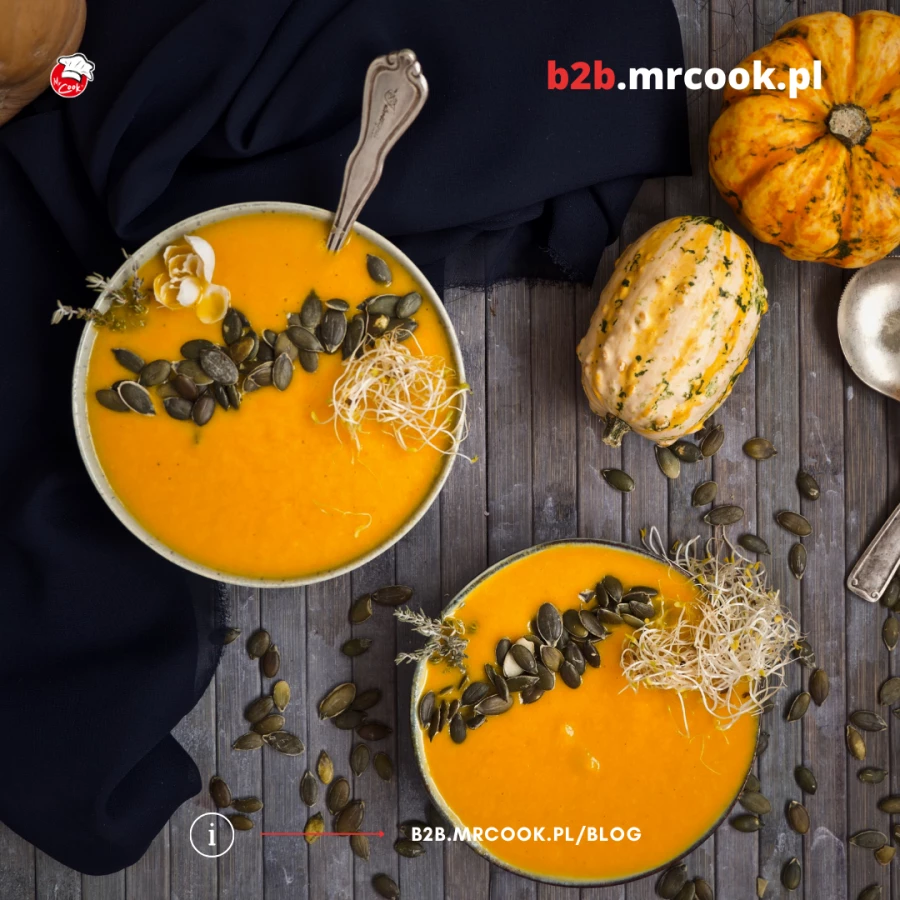
Meet the pumpkin soup
The impact of the spice world on pumpkin soup
Why is the right seasoning of pumpkin soup so important? With its creamy texture, pumpkin soup is the perfect field for experimenting with spices. The right seasoning not only accentuates the natural sweet flavour of pumpkin, but also adds depth of flavour and aroma to this delicious soup. It has been known for centuries that choosing the right spices makes a dish a culinary masterpiece. However, spices are also worth using in the kitchen for their health benefits.
Cultural differences in the seasoning of pumpkin soup: Depending on the region of the world, pumpkin soup can be spiced in very different ways. In some cultures, a spicy flavour with the addition of chilli or turmeric is preferred, while in others, a sweet and spicy flavour dominates, thanks to the addition of nutmeg or cinnamon. Knowing these differences allows for a better understanding and appreciation of the global diversity of culinary traditions. Let's take a look at the popular pumpkin soup spices in different countries:
Read also: What spices and herbs are used for cottage cheese
Classic pumpkin soup seasoning in different countries
In the USA and Canada, traditional pumpkin soup is often spiced with nutmeg, cinnamon and cloves, and its creamy texture is achieved with the addition of cream or coconut milk. The addition of cayenne pepper or other hot peppers is popular to enhance the depth of flavour. In Central and South American countries such as Mexico and Peru, pumpkin soup is made spicy by the addition of chilli, cumin and coriander, and is often seasoned with garlic and onions. In the Caribbean, in Haiti, the traditional pumpkin soup 'soupe joumou' is richly seasoned with onions, garlic, pepper and other local herbs, with beef often added.
Australia and New Zealand prefer pumpkin soup with ginger, garlic and onions, which is often creamy thanks to the addition of cream. In Europe, the UK spices its pumpkin soup with nutmeg, cinnamon and pepper, sometimes with the addition of cream, while in France, it is soft and creamy with popular spices such as nutmeg and pepper.
In Asia, on the other hand, in Korea, pumpkin is often served as a thick soup with sticky rice, sweetened with honey or sugar. In Japan, pumpkin soup, called 'kabocha soup', is creamy, usually seasoned with salt and pepper and sometimes ginger. In Thailand, pumpkin soup with coconut milk, spiced with red curry and lemongrass, is typical.
Cuisine is a living organism and as time passes and cultures mix, traditional recipes can evolve. Modern variants of pumpkin soup may differ from traditional ones, but the descriptions above reflect classic approaches to this dish in different parts of the world.
Read also: How to season chicken
Key spices in pumpkin soup
-
Ginger - the secret to a spicy note
Ginger, with its characteristic spiciness, is the perfect addition to pumpkin soup, giving it depth and warmth.
Usage: 1-2 cm piece of fresh ginger (grated) or 1/4 teaspoon dried per 1 litre of soup.
When to add: Add the fresh ginger at the start of cooking and the dried ginger halfway through the cooking time.
-
Nutmeg - a classic addition
Nutmeg is an integral ingredient in pumpkin soup in many kitchens.
Usage: About 1/4 teaspoon grated nutmeg per 1 litre of soup.
When to add: Add to the soup a few minutes before the end of cooking to retain the full flavour.
-
Turmeric - colour and spicy accent
Turmeric adds a beautiful golden colour and spicy flavour to the soup.
Usage: 1/2 teaspoon of ground turmeric per 1 litre of soup.
When to add: Pour in at the beginning of cooking to give the soup a beautiful colour and aroma.
-
Sweet paprika - depth and heat
Paprika, especially in ground form, is a great addition to pumpkin soup, giving it a rich flavour and beautiful colour.
Usage: 1/2 teaspoon of ground paprika per 1 litre of soup.
When to add: Add the paprika at the start of cooking to give the soup a beautiful colour and deep flavour.
-
Chilli - for those who like it spicy
Spicy chilli pep pers can add extra character to pumpkin soup.
Use: Depends on the spiciness and form of the chilli. For chilli flakes - 1/4 teaspoon per litre of soup (or more depending on preference). For fresh chilli - 1 small pepper (finely chopped) per 1 litre of soup. Hot pepper powder - start with a pinch and add gradually until desired level of spiciness is reached.
When to add: Add at the beginning of cooking to allow the spiciness to distribute well. Be careful though, you can always intensify the spiciness towards the end of cooking. Take into account that some of the liquid will evaporate and this will enhance the spiciness at the end of cooking.
It is always a good idea to start with smaller amounts of spices and adjust according to your own preferences during cooking. Also, to make the spices release their flavour better, you can lightly roast them in a dry pan first before adding them to the soup. This method only applies to spices, not seasoning herbs.
Read also: Secrets of seasoning soups
Spices to try in pumpkin soup
-
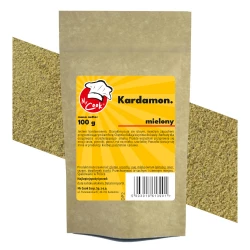
Cardamom - an exotic touch
Cardamom isnot traditionally associated with pumpkin soup, its intense, aromatic flavour can add unexpected depth and complexity to the soup.
Usage: 1/4 teaspoon of ground cardamom per 1 litre of soup.
When to add: Pour into the soup a few minutes before the end of cooking to maximise the retention of its aroma.
-
Coriander - freshness and depth of flavour
Coriander is a two-faced spice that adds a variety of accents to pumpkin soup. Ground coriander seeds introduce a deep, slightly citrusy flavour, while fresh coriander leaves provide lightness and freshness. If you haven't used fresh or dried coriander leaves so far, taste them before adding them to your pumpkin soup. It is an exotic spice in European cuisine and we know from experience that you either love coriander leaves or you hate them.
Use: For ground seeds - 1 teaspoon per litre of soup. For fresh leaves - a handful of finely chopped coriander.
When to add: Pour the ground seeds in at the start of cooking to release their deep aroma. For fresh coriander, add just before serving to accentuate its tenderness and freshness.
-
Allspice - tradition and deep flavour
Allspice can be a great addition to pumpkin soup, introducing a complex aroma that combines notes of cinnamon, cloves and nutmeg.
Usage: 1-2 seeds per 1 litre of soup.
When to add: Add at the beginning of cooking and don't forget to remove the seeds before serving.
-
Nutmeg flower (nutmeg flower) - subtle elegance
The reddish-orange casing of the nutmeg fruit, has a more delicate flavour compared to the whole nutmeg, bringing a delicate and refined touch to the dish.
Usage: 1/4 teaspoon ground nutmeg flower per 1 litre of soup.
When to add: Pour into the soup a few minutes before the end of cooking to fully extract its flavour and aroma.
-
Cumin - an earthy flavour
Cumin is often used in traditional Central European dishes and adds an earthy flavour to pumpkin soup.
Usage: 1/2 teaspoon of ground cumin per 1 litre of soup.
When to add: Add at the beginning of cooking to release its aroma.
-
Marjoram - delicacy and depth
Although delicate,marjoram adds a deep, herbal aroma to the soup.
Usage: 1 teaspoon of dried marjoram per 1 litre of soup.
When to add: Add halfway through the cooking time.
-
Rosemary - a refreshing aroma
Rosemary, with its refreshing and slightly woody aroma, can add unexpected depth to pumpkin soup.
Usage: 1 sprig of fresh rosemary or 1/2 teaspoon of dried rosemary per 1 litre of soup.
When to add: Add fresh rosemary at the start of cooking and dried rosemary halfway through the cooking time.
Remember that the quantities given are approximate. Depending on your own taste preferences, you may want to adjust them, starting with less spice and adding more as needed during cooking.
Read also: How to season hummus
Spice herbs to add character to pumpkin soup
Thyme with its herbal and slightly peppery aroma adds warmth and depth to the soup. It can be used both fresh and dried.
Usage: 1 teaspoon of fresh, finely chopped thyme or 1/3 teaspoon of dried thyme per 1 litre of soup.
When to add: Add the fresh thyme about 5 minutes before the end of cooking. If you are using dried, add it at the beginning of cooking to allow it to release its aroma.
-
Basil - an unexpected but interesting choice
Basil isnot a typical choice for pumpkin soup, its fresh and slightly sweet aroma can add an original flavour to the soup.
Usage: 2-3 fresh basil leaves finely chopped for 1 litre of soup. If you are using dried basil, 1/2 teaspoon will be sufficient.
When to add: Add fresh basil leaves just before serving the soup to preserve its fresh flavour. Add dried basil halfway through the cooking time.
-
Parsley - classic freshness
Parsley adds a subtle herbaceous note to pumpkin soup that pairs well with the deep flavour of pumpkin. It is an ideal choice for those who want to add a touch of colour and classic European flavour to their soup.
Usage: 2-3 tbsp finely chopped parsley per 1 litre of soup.
When to add: Add just before serving to preserve its fresh colour and flavour.
-
Sage - harmony and contrast
Sage is an herb with a strong, slightly bitter flavour that goes well with pumpkin. Its intense aroma contrasts perfectly with the softness of the soup.
Usage: 1-2 fresh sage leaves finely chopped or 1/4 teaspoon dried sage per 1 litre of soup.
When to add: Add the fresh sage about 5 minutes before the end of cooking. Pour the dried sage in at the beginning so it can release the depth of its flavour.
It is always worth bearing in mind that each pumpkin and each herb can vary in flavour intensity, so it is advisable to adapt the amount of herbs and spices to your own tastes. They must harmonise with each other, original and unusual combinations are always worth trying, but if you are starting your culinary adventure - stick to classic combinations. If the soup is too spicy or intense in flavour, you can add some cream or coconut milk to soften the taste.
Valuable additions to pumpkin soup
Pumpkin soup, in its creamy form, is the perfect base for experimenting with a variety of additions. Introducing crunchy elements will not only enrich the flavour and texture of the dish, but can also add extra nutritional value. Here are some suggestions to include:
-
Roasted pumpkin seeds
Rich in magnesium, iron and protein, they add crunch and are a great contrast to the smooth texture of the soup.
- Roasted sunflower seeds
An excellent source of vitamin E, they add a nutty flavour.
- Nuts
Roasted walnuts or almonds are not only tasty but also rich in valuable nutrients.
- Pumpkin seed oil:
Drizzling it over the soup just before serving will add a deep, nutty flavour to the dish.
- Crispy croutons
Prepared with olive oil, garlic and herbs, they make an excellent textural addition.
Feel free to experiment with the above additions, and find your own favourite combinations!
Read also: How to season and roast a whole chicken
Classic pumpkin soup recipe
Musk pumpkin is most commonly used to make pumpkin soup (it has a smooth, beige or light green skin and is often more oval or pear-shaped in shape, with a fleshy, sweet interior with a yellowish tinge.), but we recommend the hokkaido (characterised by a bright orange skin and a small, round form with a strongly coloured and richly flavoured interior).
Ingredients you need to make pumpkin soup:
- 1 medium-sized Hokkaido pumpkin (about 1.5 kg), peeled, de-seeded and diced. Hokkaido pumpkin has a delicate, slightly nutty flavour and is perfect for soups.
- 1 large onion, finely chopped
- 2 cloves of garlic, finely chopped
- 1 litre of vegetable or chicken stock
- 2 teaspoons fresh ginger, grated
- 1/2 teaspoon ground nutmeg
- Salt and pepper to taste
- Olive oil or butter for frying
Pumpkin soup ingredients to consider:
- 200ml cream cheese - this addition will make your Pumpkin Cream Soup
- A pinch of chilli for added spiciness
How to make pumpkin soup:
- In a large pot, over a medium heat, heat the olive oil or butter. Add the onion and garlic and fry until they are glassy.
- Add the chopped pumpkin and fry for a further 5 minutes, stirring occasionally.
- Pour in the spices: ginger and nutmeg. If using, add the chilli too. Stir well.
- Add the stock and bring to the boil. Then reduce the heat and simmer for about 25-30 minutes, until the pumpkin is tender.
- Using a hand blender or in a food processor, blend the soup to a smooth paste.
- If using, pour in the cream cheese, mix thoroughly. Season with salt and pepper to taste. Simmer for a further 5 minutes over a low heat.
- Serve hot, sprinkled with your favourite herbs or pumpkin seeds.
How do you make pumpkin soup even more delicious?
Pumpkin soup is a classic dish which is gaining more and more followers in Poland. So how can you make it even better and more sophisticated? Here are some ways to take the flavour of the day to a higher level and understand how the individual steps will affect the final taste of pumpkin soup.
-
Ways to heat pumpkin: roasting versus cooking
Roasting the pumpkin before cooking it can give the soup a more intense and caramelly flavour. Boiling pumpkin, on the other hand, preserves its natural flavour and is a quicker method.
-
The role of broth or stock in pumpkin soup
The choice of base for a pumpkin soup significantly affects its final flavour. Using homemade broth will add depth to the soup, while ready-made powdered bro th or stock cubes will be a quicker option. A vegetable base is much more commonly used in pumpkin soup, and the soup prepared with it is more light. However, you can experiment with mild meat stock which will add depth to the pumpkin soup.
-
Thickening the soup with potatoes or yams
Adding potatoes or yams to pumpkin soup (and other soups too) can help achieve a creamier texture. The yams will also add a subtle sweetness to the soup, which can enrich its flavour profile.
-
How do you achieve the perfect creamy texture in pumpkin soup?
Introducing additives such as cream or yoghurt can make the soup more velvety. Remember to adjust the amount of liquid added gradually to achieve the desired consistency.
Instead of cream, use coconut milk. This will give you a vegan version, but even if you are not a fan of this diet it is worth a try! You can also use another plant-based milk for a creamier texture.
-
Ways to add depth of flavour in pumpkin soup
-
Caramelising the vegetables: gently caramelising the vegetables before adding them to the soup can introduce deeper flavour notes, making the soup more rich and complex in flavour. However, this process requires care so that the vegetables do not burn, which could introduce a bitter taste into the soup.
-
Adding Parmesan cheese: Adding grated Parmesan cheese to a hot soup or sprinkling it on the soup just before serving can enrich its flavour with a hint of umami (the so-called 5th flavour for which monosodium glutamate in Parmesan is naturally occurring). Parmesan parmesan pairs perfectly with the creamy texture of pumpkin soup, adding depth and a slightly salty aftertaste.
All of these ways can be combined or used interchangeably. Moderation is important, but only experimentation will lead you to above-average skills in the culinary arts, for which your family will love you and your guests will look on in awe!
The health aspect of spices in pumpkin soup
As professionals, we must point out that some of the information below is based on centuries of observation and not all of it has been scientifically confirmed. There are also posts on our blog about the health effects of spices and there we try to present this very reliably. Here we also emphasise the effect of spices on digestion, which is an important element of health.... Nevertheless, in case of health problems, you should always consult specialists.
Health benefits associated with individual spices:
- Ginger: Known for its anti-inflammatory and anti-emetic properties. Ginger can aid digestion, relieve stomach aches and help with colds.
- Nutmeg: Contains antioxidants and analgesic properties. Recommended in moderation as it can be toxic in large quantities.
- Turmeric: Curcumin, the main component of turmeric, has strong anti-inflammatory and anti-cancer properties. Turmeric can also aid digestion.
- Chilli: Capsaicin, a component of hot peppers, can speed up metabolism, improve digestion and have an analgesic effect.
- Cardamom: May act as a diuretic, aid digestion and relieve stomach cramps.
- Allspice: Has antibacterial and antiviral effects. May also aid digestion.
How can spices affect better soup digestion?
- Improving digestion: Some spices, such as ginger or cardamom, can stimulate the secretion of digestive juices, which helps digestion.
- Enhancing assimilation of ingredients: Turmeric combined with black pepper increases the body's absorption of curcumin.
- Probiotic effect: Certain spices, such as coriander, can support healthy intestinal flora, which translates into better digestion.
- Alleviating bloating and stomach discomfort: Spices such as ginger and allspice can have a diastolic and soothing effect on the digestive system.
Read also: Which spices for fish soup
Summary of the world of flavours in pumpkin soup
The keys to achieving the perfect pumpkin soup:
- Choosing the right pumpkin: It all starts with choosing the right pumpkin. Choose ones with a firm skin and deep, saturated colour.
- Choose the vegetables you will use and that you like: yams or potatoes, for example
- Decide whether you will oven roast: you can caramelise the vegetables before cooking the soup
- Choose the type of broth: vegetable or meat-based
- Harmony in spices: It is important to find the perfect balance between spices. Avoid dominating one flavour over the others, unless this is the intended effect.
- Quality of ingredients: Using high quality, fresh ingredients is key to achieving the best flavour in your soup.
- Patience when cooking: Take the time to simmer and heat ingredients slowly, which will bring out the most flavour.
- Plan the accompaniments and garnishes for your pumpkin soup: parmesan flakes, nuts, pumpkin seeds, chilli, oil, croutons - the options are plentiful.
Encourage you to experiment and create your own versions:
- Creativity in the kitchen: pumpkin soup is a great base for experimenting with different ingredients and spices. Feel free to add new spices or modify the quantities to your taste.
- Taking seasonality into account: Use seasonal ingredients, such as fresh herbs or vegetables, to give the soup a unique character depending on the season.
We encourage you to explore the world of spices and discover new flavours, not just in pumpkin soup. Let each dish be a reflection of your creativity and passion for cooking! We wish a passion for cooking for everyone, we all have to eat, and everyone can enjoy cooking too - all it takes is a positive attitude!
Discover Mr Cook, your online spice wholesaler with many years of tradition. Our range includes a wide selection of spices, herbs and blends that are the key to the exceptional taste of every dish. Whether you run a restaurant or are passionate about cooking at home, our products will meet your expectations. Check out our range and see how easy it is to enhance your culinary creations with Mr Cook!