Classic seasoning combinations for chicken:
When we think of classic spice combinations, we usually imagine simple but effective combinations. They work best in dishes where the chicken is just a side dish like sandwiches, salads or pizza. Especially since dressings and sauces are often added to these dishes.
Salt and pepper - versatile in every kitchen
Base ingredients in any kitchen that can bring out the natural flavour of chicken. Where chicken is a side dish, they add just the right amount of distinctiveness without dominating the other ingredients. If you want to really accentuate the flavour, it's worth reaching for a high-quality pepper such as tellicherry black peppercorns, which have a deep, rich aroma.
Read also: vegetables for the pan: Which spices and herbs to use and when to add them
Garlic and rosemary. Both of these spices, although different in character, can complement the flavour of chicken meat in the perfect way.
- Garlic is one of the most versatile culinary ingredients. Sharp and intense when raw, it becomes more delicate and sweet when cooked. In chicken meat, garlic not only enhances its natural flavour, but also adds richness and a slight sharpness. It is thanks to it that the dish acquires a deep, distinctive aroma.
- Rosemary, on the other hand, is an herb with a strong, almost intoxicating aroma that is reminiscent of balsam or resin. Its needle-like leaves bring woodland notes to the dish, which blend perfectly with the garlic intensity. Rosemary adds freshness, lightness and a certain spiciness to the dish.
In combination, garlic and rosemary create a unique harmony of flavours that accentuates the tenderness of the chicken meat while giving it an aromatic depth. This duo, although often associated with roast chicken, can be used in a variety of dishes, always bringing a richness and complexity of flavours.
Oregano, basil and thyme: Classic Mediterranean herbs to enhance the flavour of any chicken dish
- Oregano, known for its warm, bitter and slightly spicy profile, accentuates the natural sweetness of the meat while adding a touch of tanginess.
- Basil, with its characteristic fresh and sweet aroma, adds a lightness to the chicken, reminding us of the summer dishes that are often the centrepiece of Mediterranean cuisine.
- Thyme, with its subtlety, brings an herbal depth, highlighting the fleshy notes of the chicken and adding sophistication. When these three herbs combine together, they can elevate a simple chicken dish to a higher level, offering the harmony of flavours characteristic of Mediterranean cuisine.
Read also: How to season and roast a whole chicken
World cuisine influences
Every culture brings something unique to the global mosaic of culinary traditions. Often these are ingredients that have become intrinsic to a particular region, but have gained international popularity and are now used in kitchens around the world.
Turmeric, Roman cumin and paprika: these three spices are the foundation of many traditional dishes from India and other countries, bringing a deep, exotic character to dishes
- Turmeric, with its bright yellow colour and slightly bitter taste, brings earthy tones to the chicken that accentuate its natural notes. Its slightly warm and peppery aroma not only adds colour, but also richness and depth of flavour. It adds a golden colour to the chicken.
- Roman cumin, with its characteristic slightly earthy and slightly citrusy aroma, accentuates the sweetness of the chicken meat while adding warmth and definition.
- Paprika, depending on the variety chosen, can add spiciness, sweetness or smokiness. It introduces heat and a deep red colour to the dish, making the chicken juicier and more flavoursome. The combination of these three spices gives the chicken meat a rich, multidimensional character that reminds us of the richness of the cuisine of the Indian subcontinent.
Soy sauce, ginger and sesame - Asian flavours
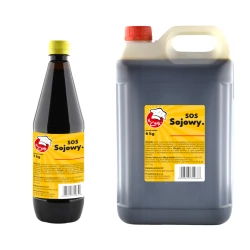
- Soysauce, fermented from soya and wheat, brings a richness, deep colour and saltiness that enhances the natural flavours of chicken. Above all, it is the source of umami. This is a deep, meaty flavour that adds fullness and complexity to dishes.
- Ginger, with its spicy, slightly citrusy and refreshing character, adds freshness and spiciness to the dish, balancing the saltiness of the soy sauce while emphasising the sweetness of the chicken meat
- Sesame, in both seed and oil form, brings a delicate, nutty flavour to the dish. Asian cuisine often uses roasted sesame seeds, which add depth to dishes, and sesame oil, which enriches the flavour and adds definition. In combination, these three ingredients create a symphony of flavours that gives chicken meat its distinctive Asian profile.
Coriander, cumin and chilli pepper: Mexican chicken staples, ideal for lovers of spicy dishes.
- Cilantro, whether fresh or in seed form, brings a distinctive, slightly citrusy and refreshing flavour to the dish. In Mexican cuisine, fresh coriander is often used as an accompaniment to salsas or guacamole, enhancing the freshness and adding notes of green.
- Cumin, otherwise known as Roman cumin, is an herb with a strong, earthy aroma that adds depth and a distinctive spiciness to dishes. In Mexican cuisine, it is essential in the preparation of dishes such as tacos and chilli con carne.
- Chilli is a source of spiciness that adds spiciness and heat to dishes. The type of chilli can affect the degree of spiciness of a dish, but whatever the choice, chilli always brings liveliness and energy.
- Chipotle chilli is a smoky variety of jalapeño pepper that introduces not only spiciness but also a subtle smoky flavour to the dish, adding depth and definition.
When these ingredients combine together in a dish with chicken, they create a flavour profile that is characteristic of Mexican cuisine, full of spiciness, depth and variety of flavours.
What spices were used for chicken in Old French cuisine?
We have already dipped into more exotic and modern flavours, but it is worth noting the traditional methods of seasoning chicken in Poland. Old Polish cuisine was characterised by the use of simple, local ingredients that gave dishes an authentic character.
Its herbal, slightly bitter taste was an indispensable part of many chicken dishes. Thanks to its specific flavour profile, marjoram adds depth to chicken meat, highlighting its natural qualities while introducing a delicate herbal background that makes the dish more complex and rich in flavour. It is thanks to marjoram that the chicken becomes more succulent and infused with the traditional notes of the cuisine.
Black pepper
A staple ingredient in the kitchen that accentuated the flavour of the meat.
Garlic
Added to many dishes for depth of flavour and aroma.
Added to chicken, it introduces a delicate, woodsy aroma which, combined with the fattiness of the meat, gives a feeling of fullness of flavour. Its slightly bitter background harmonises with the richness of the other ingredients, emphasising the authenticity of traditional dishes.
This traditional ingredient of Old Polish cuisine, when added to chicken dishes, releases its spicy, slightly spicy notes, which can also emphasise the sweetness of the onions or carrots in the braised dish. It gives the chicken meat a fuller, more rounded flavour that is reminiscent of the flavours of our ancestors' cooking.
Read also: Secrets of seasoning soups
Seasonings for chicken used by professionals
Allows you to add a deep, smoky flavour as good quality smoked paprika is dried through the smoking process. Using it in chicken dishes not only adds a distinct character to the meat, but also passes on the heritage of culinary traditions where artisanal care was the key to exceptional flavours.
Kaffir lime and lemongrass
Aromatic ingredients that bring freshness and exoticism.
Innovative spices for chicken
A surprising choice, but when combined with creamy sauces it can produce unexpected results.
Fermented black garlic
This unique type of garlic undergoes a fermentation process that gives it a deep, sweet and caramelly flavour. Its soft, paste-like texture and unique aroma can add unexpected depth to chicken.
Read also: How to spice up pumpkin soup
When to season chicken meat?
Deciding when to season your chicken can affect the flavour, texture and moistness of the meat.
- Seasoning in advance: It is best to marinate the chicken in the seasoning for several hours or even overnight. A longer marinade allows the salt and spices to penetrate deeper into the meat, which can make it more succulent and full of flavour.
- Seasoning just before cooking: If you don't have time to marinate, seasoning just before cooking can still give great results. However, be aware that the flavour of the seasoning may be less intense.
How to season chicken in the oven?
When cooking chicken in the oven, it's important to ensure that it is evenly seasoned and has an extra layer of protection to help keep the meat juicy.
- Oils and butters: Brushing the chicken with oil or melted butter helps to retain moisture and ensures a beautiful golden colour.
- Dry seasonings: A mixture of salt, pepper, paprika, garlic powder and herbs such as thyme or rosemary will work well. The dry spices adhere to the meat and create a wonderful crust when roasting.
How do you season chicken for pan-frying and grilling?
Seasoning chicken for pan-frying and grilling requires special attention to ensure maximum flavour without the risk of burning the spices.
- Salt and pepper: Irreplaceable in any kitchen. They form the basis of seasoning, adding depth and character to the meat.
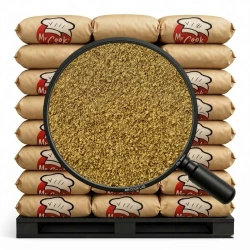
- Avoid larger pieces of spice: Seasoning blends consisting solely of ground spices, such as Mr Cook's Amber Chicken Seasoning or Mr Cook's Smoky Grill, are ideal for frying and grilling. The ground spices adhere evenly to the meat, ensuring excellent flavour without the risk of burning the larger pieces, which can quickly become bitter when exposed to high heat.
- Flavouring additives: Garlic, onions and fresh herbs such as basil or oregano are excellent choices. However, because of their delicacy, it is advisable to add them towards the end of frying or grilling to avoid burning and to preserve the full flavour.
If you have decided to dry season your chicken meat, it is worth brushing it with oil especially before grilling to prevent the meat from sticking to the grill. In addition, this reduces the risk of burning and helps retain moisture. Take care, however, that the oil does not drip onto the hot grate, as flames will appear which can burn the meat.
How should you season chicken for salad?
Chicken for salad should be lightly seasoned so that it does not dominate the other salad ingredients.
- Citrus marinade: Fresh lemon or lime juice, combined with oil, salt and pepper, gives a light and refreshing note.
- Herbs: Basil, mint, coriander or parsley can add freshness and depth.
Don't use too many intense spices: Avoid dominant flavours such as garlic or chilli, which can obscure the flavour of other salad ingredients.
Remember that each chicken and each cooking method has its own unique requirements. Experiment and adjust seasonings according to your own tastes and the needs of your dish.
Summary
Seasoning chicken is not only an art, but also a science. Choosing the right ingredients can enhance a dish and make it unique. Both traditional seasoning methods and modern experiments allow you to explore the endless possibilities of this versatile meat. Whether you are an amateur or professional cook, remember that the key is to experiment and discover new flavours. Open yourself up to the world of spices and let your dishes be unforgettable.
By choosing the Polish spice distributor Mr Cook, you are choosing a partner that supplies the best restaurants in the country. Our unique blends, herbs and liquid spices are just part of our offer, which was created with professionals in mind. As a spice manufacturer, we make sure that our products are not only high quality but also inspiring. Check out what we have prepared for you and let Mr Cook introduce you to a world of extraordinary flavours and aromas.