An introduction to the world of fungi
Types of edible mushrooms in Poland
Mushrooms have been an important part of Polish culinary culture for centuries. Polish forests abound in a variety of mushrooms, which not only enrich the taste of dishes, but also have numerous health benefits. Among the most popular edible forest mushrooms in Poland are:
-
Boletes (e.g. the noble boletus)
-
Chanterelles
-
Buttons
-
Brown mushrooms
-
Eurasian rye
-
Mushrooms (e.g. wood pigeon)
-
Mushrooms (e.g. honey fungus)
Alongside native mushroom species, imported varieties such as dried mun and shiitake mushrooms are gaining popularity in Poland and are often used in recipes inspired by foreign cuisine.
Why eat mushrooms?
Mushrooms are not only delicious, but also offer a range of health benefits. They are an excellent source of protein, especially for those on a vegetarian or vegan diet. They contain very few calories, making them ideal for those watching their weight. In addition, they are rich in vitamins, minerals and antioxidants, making them a valuable addition to a varied diet.
Mushrooms can be prepared in many different ways, from classic roasting and frying to more complex methods such as marinating or creating aromatic sauces. The right spices and herbs can greatly enhance the flavour of mushroom dishes, highlighting their natural depth and adding interesting flavour accents. This guide aims to give you basic information on how to choose and use different spices and herbs to maximise the best flavour from your mushrooms.
Read also: Aguide to spices for mushroom soup
The Perfect Spices for Mushrooms
-
Why: Salt is key as it enhances the natural flavour of the mushrooms.
-
For which mushrooms: Versatile for all types of mushrooms.
-
When to add: Add at the start of cooking to release the water from the mushrooms, which concentrates their flavour.
-
Why: Pepper adds a subtle spiciness that can enhance the flavour of the mushrooms.
-
For which mushrooms: Goes well with mushrooms with a stronger flavour, such as boletes.
-
When to add: Best added towards the end of cooking to preserve its flavour.
-
Why: Garlic adds depth and character to mushroom dishes, bringing a rich aroma.
-
For which mushrooms: Great with sautéed and stewed mushrooms, such as butternut squash or oyster mushrooms.
-
When to add: Add at the beginning of frying to release the garlic flavour.
-
Why: Onions offer a slightly sweet flavour that can enhance mushroom dishes.
-
For which mushrooms: Goes well with most mushrooms, especially sauces and casseroles.
-
When to add: It's best to simmer at the beginning before you add the mushrooms.
-
Why: Sweet paprika adds a slight sweetness and colour without overpowering the flavour of the mushrooms.
-
For which mushrooms: Good for less intense mushrooms such as mushrooms.
-
When to add: Add during cooking to evenly distribute the flavour.
-
Why: Introduces an extra dimension of spiciness to a dish.
-
For which mushrooms: Ideal for dishes with stronger-flavoured mushrooms.
-
When to add: Add during cooking, especially in dishes that require longer cooking.
-
Why: Bay leaves add a subtle, herbaceous flavour.
-
For which mushrooms: Great for soups and braised mushroom dishes.
-
When to add: Add at the beginning of cooking to allow the flavour of the leaves to develop.
Each of these spices brings something unique to mushroom dishes, enhancing their natural flavour and texture. Choosing the right seasoning depends on the type of mushrooms and the desired effect in the dish.
Read also: Which spices for fish soup
Herbs to enhance the flavour of mushrooms
-
- Why: Parsley adds freshness and delicate greens to dishes, gently enhancing the flavour of mushrooms without dominating.
-
- For which mushrooms: Versatile, especially for more delicate mushrooms like mushrooms and chanterelles.
-
- When to add: Add at the end of cooking or as a fresh addition just before serving.
-
Why: Thyme offers a slightly citrusy, herbal flavour that can enhance the taste of both fresh and dried mushrooms.
-
For which mushrooms: Pairs well with most mushrooms, including boletes and chamois.
-
When to add: Add at the beginning of the cooking process to release its flavours.
-
Why: Marjoram brings warmth and a slightly sweet flavour to mushroom dishes, blending well with their natural flavours.
-
For which mushrooms: Great for stronger mushrooms like buttermilk or oyster mushrooms.
-
When to add: Best added during braising or cooking so that the flavours combine well.
-
Why: Dill adds lightness and freshness, especially to creamy mushroom dishes.
-
For which mushrooms: Great for more delicate mushrooms, like mushrooms or chanterelles, in dishes like soups or sauces.
-
When to add: Add at the end of cooking or as a garnish before serving to preserve its freshness and flavour.
The use of these herbs in mushroom cooking can greatly enrich and diversify the taste of dishes. Depending on their nature and how they are used, these herbs can accentuate different flavour aspects of mushrooms, making dishes more complex and flavoursome.
Read also: Which spices for fish soup
Ways to prepare mushrooms
Roasting Mushrooms
Roasting is a great way to bring out the natural flavour of mushrooms. Mushrooms can be roasted whole or sliced, allowing the flavours of the spices to take in evenly.
-
When to add seasoning: Sprinkle the mushrooms with salt, pepper before roasting to infuse them with flavour. Herbs, such as thyme or marjoram, can be added halfway through roasting to avoid burning them.
Preparing Mushroom Sauces
Mushroom sauces are a great accompaniment to pasta, meats and many other dishes.
Marinating Mushrooms
Marinating is a great way to prolong the shelf life of mushrooms and give them an intense flavour.
-
When to add spices: All spices, including salt, pepper, bay leaves and allspice, should be added to the marinade from the start. This will allow the flavours to penetrate deeply into the texture of the mushrooms.
Cooking Mushroom Soups
Mushroom soups are popular, especially in the colder months.
-
When to add seasoning: Add salt, black peppercorns and bay leaves at the start of cooking to give the soup a deep flavour. Herbs, such as marjoram or parsley, are best added closer to the end of cooking to preserve their flavour. Remember to give less salt in the first stage so that you can finally adjust the level towards the end of cooking.
Using these principles, we can get the full flavour and aroma in a variety of mushroom dishes, making the most of the potential of the spices and herbs depending on the cooking method chosen.
Read also: How to season pumpkin soup
Tips and tricks
How to safely pick and store mushrooms?
-
Picking: Always only pick mushrooms that you know well. Avoid unknown species to prevent the risk of poisoning.
-
Cleaning: Before cooking, drying or freezing, mushrooms should be cleaned of any remaining soil, leaves, twigs, etc.
-
Storage: Store fresh mushrooms in the fridge in a paper bag for several days. Store dried mushrooms in a closed container in a dry place.
-
Freezing: Mushrooms can also be frozen. A less popular but proven method is to sauté the mushrooms before freezing. They should then be cooled and frozen in airtight containers. Store frozen mushrooms for up to several months.
-
Drying: Mushrooms can also be dried, which is a traditional and effective method of preservation. After washing and slicing, spread the mushrooms on a grid in a dry and airy place or use a mushroom drier. Dried mushrooms retain their intense flavour and can be stored for a long time.
How do I prepare mushrooms for cooking?
-
Slicing: Cut the mushrooms into even pieces for uniform cooking.
-
Frying: Make sure the pan is well heated before adding the mushrooms. This will allow the mushrooms to be golden and crispy, rather than simmering them in separated water.
-
Cooking: Mushrooms may release water as they cook. Give the stock time to evaporate the liquid to concentrate their flavour.
These tips ensure that both the process of harvesting and preparing mushrooms is safe and effective. Proper storage and preparation of mushrooms is key to bringing out their best flavour and aroma.
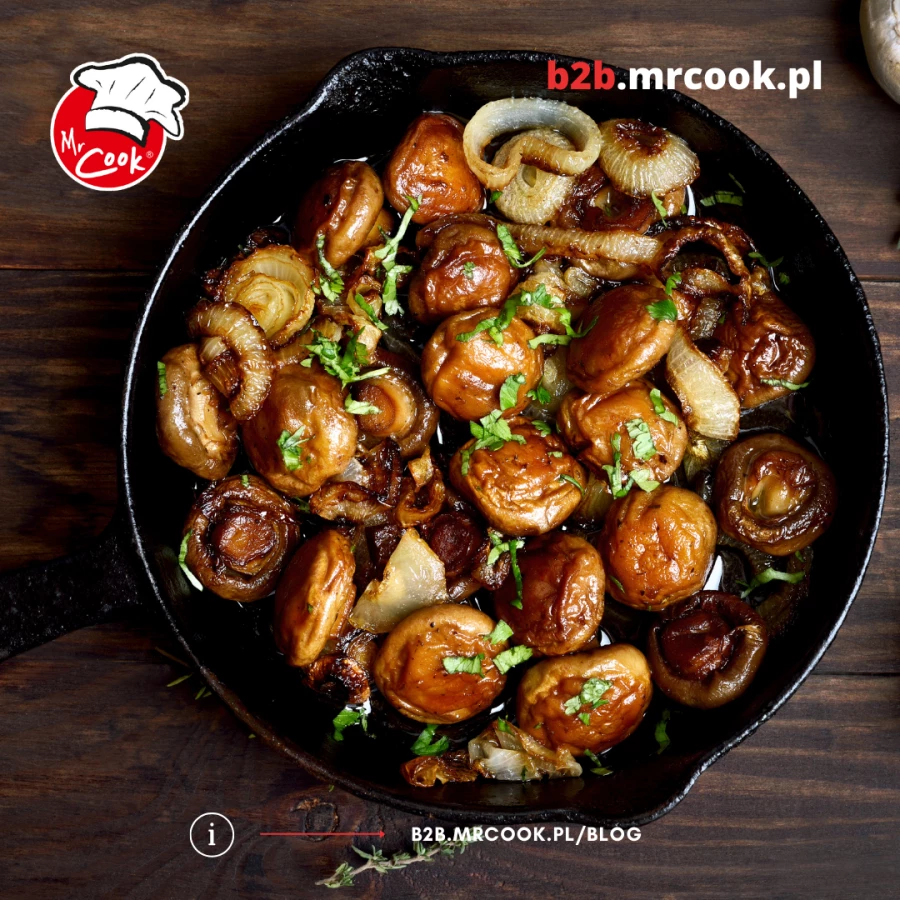
How to Make Fried Mushrooms.
Fried mushrooms are a classic dish that is an easy way to enjoy their full flavour. Here's how to prepare them:
What to Fry Mushrooms With:
You will need oil or fat and flavourings of your choice.
-
Oil or butter: Frying in butter will add a rich flavour to the mushrooms, in our opinion clarified butter is the best choice.
-
Garlic: Adding garlic at the beginning of frying will introduce a depth of flavour.
-
Herbs: Thyme, marjoram or rosemary will be an excellent addition.
-
Spices: Salt and freshly ground pepper are essential to enhance the natural flavour of the mushrooms.
-
Additions: Onions or shallots will add deliciousness and fresh parsley will provide freshness at the end.
You can also add cream at the end, depending on how you want to use the fried mushrooms.
Frying process:
Remember that it takes time to fry the mushrooms, as the water they contain must evaporate first.
-
Heat the fat in a frying pan and add the finely chopped garlic and onion/shallots.
-
Then add the mushrooms. Ideally, they should be chopped fairly evenly so that they fry evenly.
-
Fry over a medium heat, stirring occasionally. When the mushrooms start to brown, add the herbs of your choice.
-
Finally, season with salt and pepper. You can add some fresh parsley for extra freshness.
Which Mushrooms to Use for Frying?
The choice of mushrooms to fry depends on your taste preferences and availability. You can use either fresh or frozen mushrooms. Here are some popular choices:
-
Mushrooms: Mushrooms are often chosen for frying due to their easy availability and delicate flavour.
-
Boletes: Their intense, woodsy flavour makes them perfect for fried dishes.
-
Chanterelles: Known for their slightly peppery flavour, they are great for frying.
-
Butters: Their meaty texture is ideal for fried dishes.
Combining Mushrooms
You can successfully combine different types of mushrooms in one dish. Mixing different types of mushrooms can create interesting flavour combinations.
-
It is important to keep in mind similar cooking times for different species. Mushrooms of similar texture and size will fry evenly.
-
Experimenting with different combinations can lead to the discovery of new favourite flavours and is encouraged in the kitchen.
Fried mushrooms are the perfect accompaniment to many dishes, from breakfast scrambles to elegant dinners. It's a simple but exceptionally tasty dish that is sure to delight any mushroom lover.
Read also: How to season and roast a whole chicken
Recipes for Dishes with Mushrooms
How much Dried Mushrooms Substitute for Fresh or Frozen?
Remember that 10 grams of dried mushrooms is equivalent to about 80-100 grams of fresh mushrooms. We use fresh mushrooms in the recipes below, but you can use the appropriate conversion rate if you want to use dried mushrooms. Use frozen mushrooms in the same amount as fresh.
Mushroom soup
-
Ingredients: Fresh mushrooms (e.g. boletes, chanterelles), onion, garlic, broth, cream, salt, pepper, marjoram.
-
Preparation: Fry the onion and garlic, add the chopped mushrooms. After a few minutes, pour in the bouillon, cook until soft. At the end of cooking, add cream, marjoram, salt and pepper to taste.
Mushroom Dumplings
-
Ingredients: Dumpling dough, stuffing of fried fresh mushrooms (e.g. boletes, chanterelles), onion, salt, pepper, marjoram.
-
Preparation: Fry the mushrooms with onion, seasoning with salt, pepper and marjoram. Spread the filling on the dough, form the dumplings and cook them in salted water.
Quick mushroom sauce
-
Ingredients: 2 cups fresh mushrooms (e.g. mushrooms), chopped, 1 medium onion, finely chopped, 1 garlic clove, chopped, 1 cup vegetable broth, 1/2 cup 18% cream, salt and pepper to taste, 1 tablespoon butter.
-
Preparation: Melt the butter in a pan, add the onion and garlic, fry until glazed. Add the mushrooms, fry until soft. Pour in the broth, cook over medium heat for about 5-7 minutes. Add cream, season with salt and pepper, cook, stirring, until the sauce thickens slightly.
Summary
In this guide, we have covered various aspects of using mushrooms in cooking, from the types of edible mushrooms in Poland, to a detailed discussion of appropriate spices and herbs, to sample recipes using mushrooms. The key to successful cooking with mushrooms is to understand their unique flavour properties and to skilfully match the spices and herbs that will enhance and enrich their natural flavour.
Remember that safe harvesting and proper storage of mushrooms are just as important as culinary skills. Following the rules for picking and storing mushrooms will ensure that they are tasty and safe to eat. In addition, proper preparation of mushrooms for cooking, including slicing, sautéing and cooking them, is key to bringing out their best flavour and aroma.
We hope that this guide will be helpful to both experienced mushroom lovers and those who are just starting out with mushrooms in the kitchen. We encourage you to experiment with different types of mushrooms and to use a variety of spices and herbs to make each mushroom dish unique and full of flavour.
Enjoy the life of Mr Cook!
Discover Mr Cook, your spice wholesaler with a long tradition. Our range includes a wide selection of spices, herbs and blends that are the key to the exceptional taste of every dish. Whether you run a restaurant or are passionate about cooking at home, our products will meet your expectations. Check out our range and see how easy it is to enhance your culinary creations with Mr Cook!