Introduction to Ceylon cinnamon
Ceylon cinnamon is prized by chefs and gourmets around the world for its unique sensory properties and production method. Its subtle, delicately citrusy flavour and mild aroma distinguish it from other types of cinnamon. Originating in Sri Lanka, but also grown in places such as Madagascar and the Seychelles, Ceylon cinnamon has gained a reputation as the finest of all varieties of this spice.
In the following sections of this article, we will take a closer look at how cinnamon production methods differ in these two regions, how history and culture have influenced its development, and how these factors translate into the characteristics of the spice itself. We will also zoom in on why Ceylon cinnamon is so unique and how it has been rooted in the culinary traditions of different cultures.
Read also: Is cinnamon a safe spice?
Characteristics of Ceylon Cinnamon
Ceyloncinnamon, known scientifically as Cinnamomum ceylanicum (or alternatively Cinnamomum verum), is considered one of the most unique and valued types of cinnamon in the world. Its distinctive characteristics such as taste, aroma, colour and low coumarin content set it apart from other types of this spice.
The taste of Ceylon cinnamon is subtle and sweet, with pronounced citrus notes that add to its unique delicacy. Compared to other varieties of cinnamon, such as those derived from cassia bark (Cinnamomnum cassia), Ceylon cinnamon is less intense and less pungent, making it an ideal addition to a wide range of dishes, from desserts to main courses.
Ceylon cinnamon's aroma is equally distinctive - mild, with slightly sweet and floral accents. This aromatic profile makes it a popular choice in aromatherapy and scented candle making.
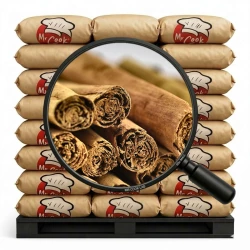
The colour of Ceylon cinnamon is a light brown, distinctly different from the darker shades of other types of cinnamon. Its light colour is a result of the gentler drying process and the thinner bark of the trees from which it is extracted.
Sri Lanka is considered the original and main source of Ceylon cinnamon. The island has ideal climatic and soil conditions for growing cinnamon trees, which contributes to the exceptional quality and taste of this spice. Historically, Sri Lanka has been a major exporter of Ceylon cinnamon, which is known worldwide.
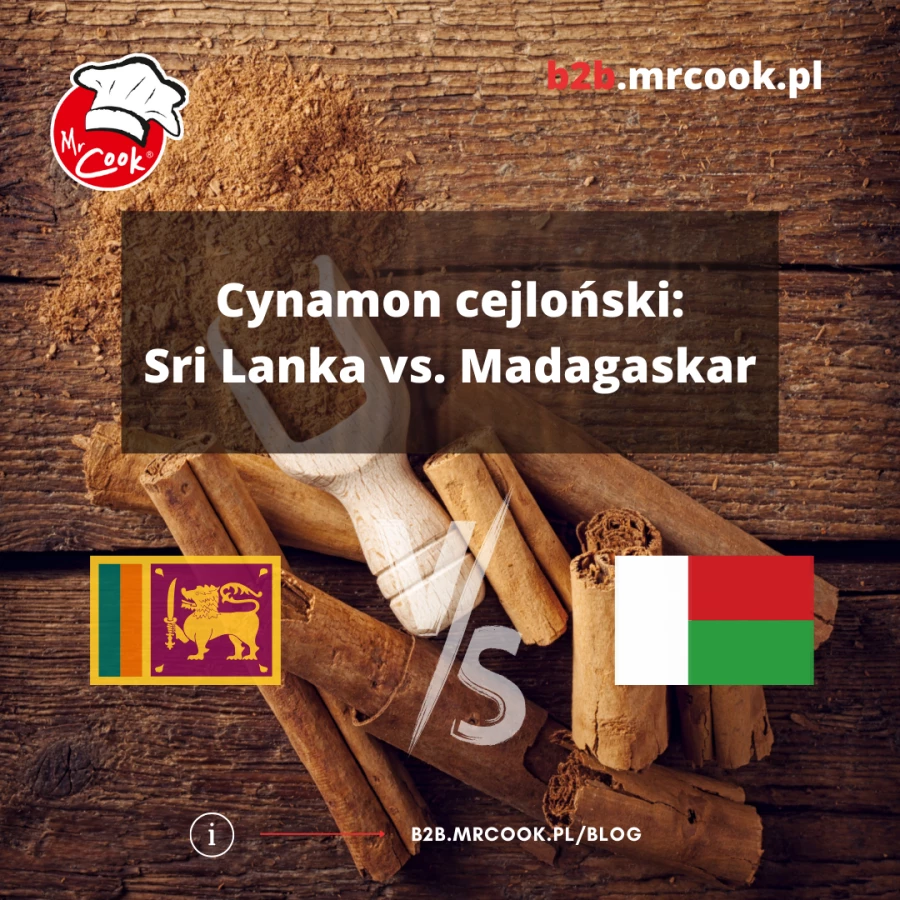
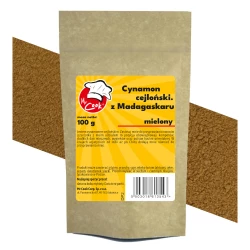
Madagascar, although less known as a source of Ceylon cinnamon, also produces this high quality spice. The cultivation and processing methods used in Madagascar contribute to the production of Ceylon cinnamon, which can rival that of Sri Lanka in terms of taste and aroma. Thanks to its climatic and soil diversity, Madagascar offers unique conditions for the cultivation of cinnamon, resulting in an exceptional quality of the spice.
In the following sections of this article, we will take a closer look at the production processes and their impact on the quality of Ceylon cinnamon, as well as explore its rich history and cultural significance.
Read also: Is it healthy to drink coffee with cinnamon
The variety of nomenclature of Ceylon cinnamon
Ceylon cinnamon, although known by one main name, hides a rich history of nomenclatural diversity. Scientifically known as Cinnamomum ceylanicum, this unique product is also referred to as Verum and Ceylon, reflecting its complex history and geographical origins.
Whether we refer to Verum or Ceylon, botanically we are referring to the same type of cinnamon. This nomenclatural diversity is partly due to the history of Sri Lanka, the original source of this spice. The island, previously known as Ceilão during Portuguese rule, was renamed Ceylon during British colonisation. This name change had a direct impact on the designation of cinnamon from this region.
However, the term 'Ceylon' is not the only alternative name for Ceylon cinnamon. Throughout the history of the spice trade, Sri Lankan cinnamon has been known and valued in different cultures under different names, reflecting its global importance. For example, in Italy it is called 'canella' and in Cantonese as 'kwai'.
Sri Lanka, as a country that is famous for the cultivation of this variety of cinnamon, has applied to the European Union for the registration of a Protected Geographical Indication (PGI), how this process ended and what implications it has for the labelling of Ceylon cinnamon I will discuss in detail in the final section of the article.
In the following sections of the article, we will explore the rich history of Ceylon cinnamon and its impact on the spice trade, providing a better understanding of how this unique spice has become an integral part of the world's culinary heritage.
Ceylon Cinnamon Production Methods - Sri Lanka vs. Madagascar
The differences in production methods for Ceylon cinnamon in Sri Lanka and Madagascar have a significant impact on its characteristics. Both regions use specific techniques that affect the quality, taste, aroma and appearance of cinnamon.
Production in Sri Lanka:
Sri Lanka, being the original source of Ceylon cinnamon, is characterised by unique processing methods:
-
Peeling: The process begins by removing the outer bark of the cinnamon trees to expose the more valuable inner bark.
-
Scraping: The inner bark is then gently scraped off the tree, using special tools, to produce thin layers.
-
Fermentation: The scraped layers are stacked on top of each other and fermented for 1 day to intensify the aroma and flavour of the cinnamon.
-
Drying: After scraping, the bark is dried in the shade to prevent loss of the delicate aroma and flavour. This process also helps to preserve the light brown colour of the cinnamon.
-
Rolling: The dried bark is hand-rolled into distinctive rolls, known as quills, which are the hallmark of Ceylon cinnamon.
Production in Madagascar:
Madagascar, although less well known in the context of Ceylon cinnamon, also produces high quality Ceylon cinnamon using a slightly different production process:
-
Preparation: As in Sri Lanka, the process begins by removing the outer bark of the tree.
-
Peeling: The inner bark is then peeled by hand from the tree in long, thin strips.
-
Sun-drying: In Madagascar, drying is usually done in the sun, which gives Madagascar cinnamon a slightly darker colour.
-
Packing: After drying, the rolls of cinnamon are cut into specific lengths and packed to begin their journey by sea to Europe.
These differences in cinnamon production in Sri Lanka and Madagascar highlight the variety of techniques and approaches to creating this popular spice. The following sections of this article will discuss how these differences affect the use of Ceylon cinnamon in culinary applications and its perception in international markets.
Influence of Production Methods on Product Characteristics
The production methods of Ceylon cinnamon in Sri Lanka and Madagascar have a direct impact on the characteristics of the final product, including taste, aroma, texture and appearance. Here is how these differences in production processes translate into the unique characteristics of cinnamon from both regions:
Sri Lanka:
Ceylon cinnamon produced in Sri Lanka is known for its delicate, subtly sweet flavour with slight citrus notes. Its distinctive light brown colour and fine, almost papery texture are due to its shade-drying method and careful hand-rolling.
-
Taste and Aroma: The shade-drying process helps preserve the delicate essential oils, which translates into a subtle and rich aroma. The fineness of the bark provides a milder, more refined flavour.
-
Texture and Appearance: Hand-rolling into thin quills produces a distinctive rolled form that is soft and easy to crush.
Madagascar:
Cinnamon from Madagascar, although less well known, also offers high quality but with slightly different characteristics. Sun-drying gives the cinnamon a different flavour and textural profile.
-
Taste and Aroma: Exposure to the sun during the drying process can intensify the flavour somewhat, giving the cinnamon a stronger, more pronounced character.
-
Texture and Appearance: Sun drying makes the bark more brittle and tends to form looser, less compact rolls. The colour may also be slightly darker compared to cinnamon dried in the shade.
These differences in cinnamon production in Sri Lanka and Madagascar show how the environment and processing techniques can affect the final product. Although both types of Ceylon cinnamon retain their high quality, they differ slightly in character, allowing consumers to choose according to taste preference and culinary use.
Sri Lankan Ceylon cinnamon, with its delicacy and subtle flavour, is often preferred in delicate desserts and drinks, where its subtle character can fully shine. In contrast, Ceylon cinnamon from Madagascar, with its more intense flavour profile and slightly harder bark, may be more suitable for dry dishes such as thick curries or spicy marinades.
However, in my opinion, these are subtle differences. We often encounter some disappointment in our company from consumers who are used to the strong aroma of Chinese cinnamon, which is most commonly found on shop shelves in Poland. Therefore, if you are going to change your culinary habits and switch to Ceylon cinnamon, Madagascar will be a better choice.
In both cases, Ceylon cinnamon enriches the culinary experience, adding depth and complexity to dishes, while fitting in with the healthy eating trend. Its versatility and variety of characteristics make it a valuable spice in both home kitchens and professional restaurants around the world.
The importance of Ceylon Cinnamon in the Kitchen
Thanks to its unique characteristics, Ceylon cinnamon plays an important role in kitchens around the world. Its versatility and delicate flavour make it a valued ingredient in a wide variety of recipes.
Ceylon cinnamon is extremely versatile. Its delicate, sweet flavour profile makes it ideal for desserts, cakes and beverages, while enhancing the taste of dry dishes such as curries, sauces and marinades. The subtle aroma of Ceylon cinnamon also blends well with fruit and as an addition to compotes, jams and mousses.
In addition to its taste, Ceylon cinnamon is also valued for its health benefits. It contains antioxidants and has anti-inflammatory properties.
Comparing the coumarin content to cassia cinnamon, there is at least 7 times less coumarin in Ceylon cinnamon.
Ceylon cinnamon brings depth and complexity of flavour to dishes without dominating other ingredients. Its delicacy allows it to subtly enhance the flavour of dishes without overpowering them. This is particularly important in cuisines where harmony of flavours and aromas is key.
Among gourmets and cooks around the world, Ceylon cinnamon is often preferred for its quality and distinctive flavour profile. Its popularity is also growing among health-conscious consumers.
In the next section of this article, we will focus on how these unique properties of Ceylon cinnamon have influenced its position in the global market and how it is perceived by consumers around the world.
Principles of Ceylon Cinnamon Labelling by Country of Origin
The context of the case stems from Sri Lanka's application to the EU to obtain geographical indication protection for the name 'Ceylon Cinnamon', which, according to the applicants, highlights the uniqueness of Ceylon Cinnamon, indigenous to Sri Lanka, as well as its global reputation. However, there is an issue with Madagascar and other countries that also produce Ceylon cinnamon. Germany, on the other hand, has lodged an official objection on the grounds that its translation 'Ceylon-Zimt' conflicts with internal German regulations as they relate to Ceylon cinnamon not only from Sri Lanka.
Commission Implementing Regulation (EU) 2022/144, as indicated in article number 2, resolves this dispute half-heartedly. It allows the registration of the name 'Ceylon Cinnamon' (PGI) in the register of protected designations of origin and protected geographical indications. However, Ceylon Cinnamon from Madagascar can still be labelled 'Ceylon Cinnamon', but under an additional condition. Let me explain how this works in practice.
The EU labelling rules set out in this regulation require that when the terms Cinnamomum zeylanicum or Cinnamomum ceylanicum are used on the labels of cinnamon products, the following requirements must be indicated:
-
Country of origin outside Sri Lanka. In addition, it is prohibited to use flags, emblems or other graphic elements on labels that could mislead the consumer as to the origin of the product
-
The country of origin is to be indicated in the same field of vision as the name, using a font no smaller than that of the name
That is, in practice, when labelling Ceylon cinnamon from Sri Lanka, we write 'Ceyloncinnamon' on the label, and when the country of origin is Madagascar, we write 'Ceylon cinnamonfrom Madagascar'.
The regulation does not explicitly state the rules for composite products, e.g. spice blends, but in my opinion it is safe to state the country of origin outside Sri Lanka in the list of ingredients.
I would do the same for the description on the product label of Ceylon cinnamon - if it is from outside Sri Lanka I would state the country of origin. E.g. Ceylon Cinnamon Gingerbread Spice (from Madagascar).
The registration of the name 'Ceylon Cinnamon' as a PGI in the European Union is to ensure the protection of the name and to confirm that the product originates from Sri Lanka. This introduces greater transparency in the market and helps consumers to distinguish authentic Ceylon cinnamon from products from other regions. This is particularly important in the context of growing global interest in the quality and origin of spices, as well as the protection of traditional production methods and local economies.
Summary
Cinnamon from both Sri Lanka and Madagascar is Ceylon cinnamon, distinctly different from Chinese cinnamon. The one from Madagascar, has a slightly darker colour, resulting from different production methods. Undoubtedly, with its rich history, unique production methods and exceptional sensory qualities, it sets the standard for high-quality spices worldwide. Distinguished by its delicate taste, subtle aroma and favourable health profile, Ceylon cinnamon from Sri Lanka and Madagascar has won the appreciation of consumers and chefs, becoming not only a culinary ingredient but also a spice attributed with health properties.
Its importance in global cuisines cannot be overstated. Ceylon cinnamon adds sophisticated flavour and depth to a wide range of dishes, from traditional desserts to exquisite main courses. Its ability to blend harmoniously with a variety of ingredients makes it indispensable for creative cooking.
In addition, increasing consumer awareness of Ceylon cinnamon's health benefits is contributing to its growing popularity. Its low coumarin content compared to other types of cinnamon makes it a safer choice for a healthy lifestyle.
In the face of growing global demand, Sri Lanka and Madagascar are continuing the tradition of Ceylon cinnamon production, providing the world with a spice that not only enriches the taste of food, but also conveys a piece of its cultural identity.
Discover Mr Cook, your spice wholesaler with a long tradition. Our range includes a wide selection of spices, herbs and blends that are the key to the unique taste of every dish. Whether you run a restaurant or are passionate about cooking at home, our products will meet your expectations. Check out our range and see how easy it is to enhance your culinary creations with Mr Cook!